Buying Land for Your Custom Home: A Beginner’s Guide
Building a custom home starts long before the first foundation is poured. One of the most important early steps is finding and buying the right piece of land. Whether you're dreaming of open acreage, a wooded lot, or a spot in a quiet neighborhood, the land you choose will shape everything from your floor plan to your utilities.
If you’re new to the process, don’t worry—this guide breaks down the basics of buying land for your custom home.
1. Know What You Can Afford
Before you fall in love with a lot, understand how land fits into your overall budget. Your land cost will be separate from your home construction loan—but both need to be factored into your financing plan. Some buyers purchase land upfront in cash, while others roll it into a construction loan.
It’s also important to consider the hidden costs of developing land:
- Clearing trees or debris
- Grading and drainage
- Driveway and access
- Septic system or sewer hookup
- Water lines, electricity, and internet
2. Choose the Right Location
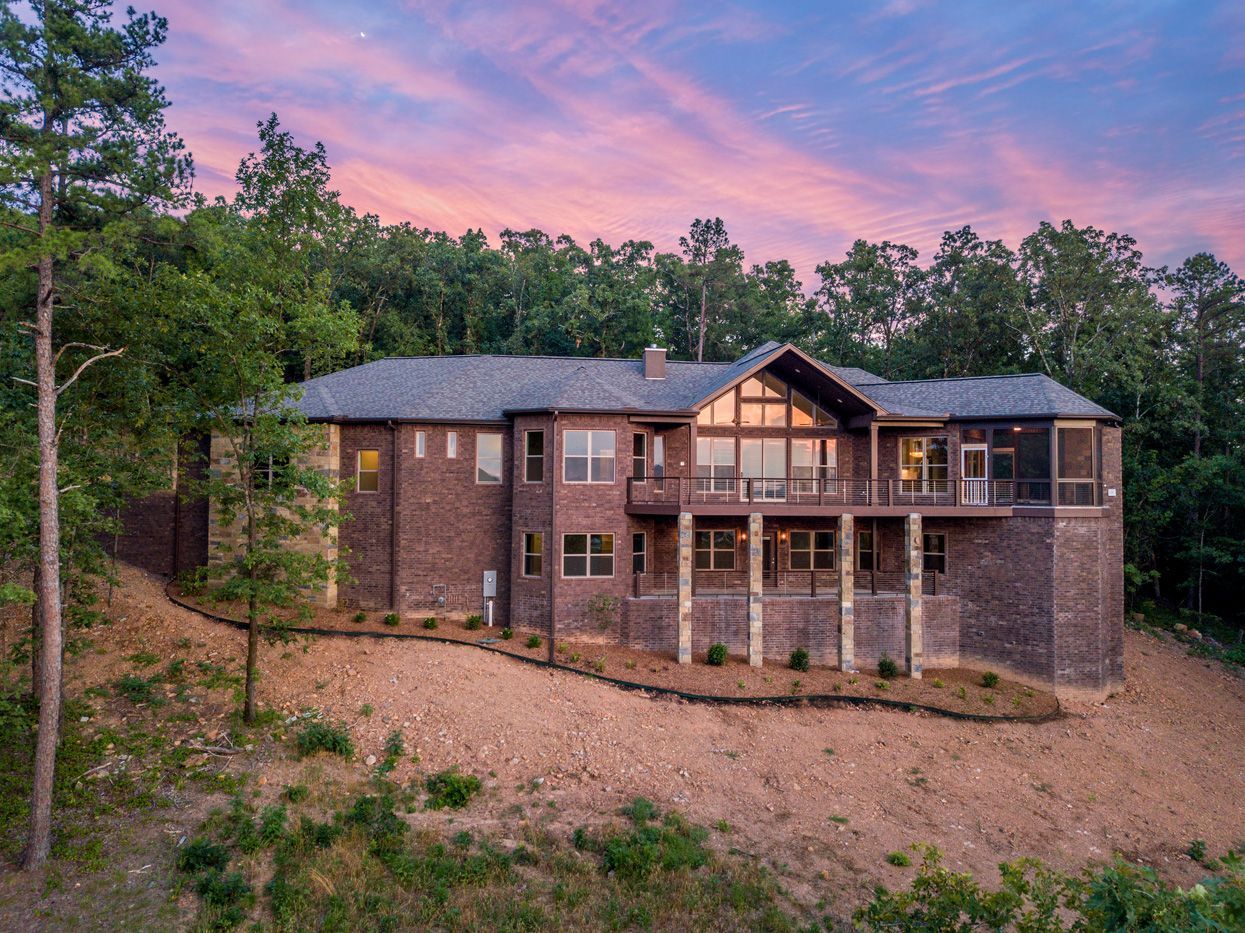
The old real estate saying holds true: location matters. Think about proximity to work, schools, grocery stores, and medical care. Do you want a quiet rural setting, or a lot in a growing neighborhood? Do you need a flat build site, or are you open to a sloped lot with a walk-out basement?
Also check for:
- Zoning restrictions (residential, agricultural, etc.)
- HOA or POA regulations
- Nearby developments or planned road expansions
3. Check Land Access and Utilities
Not all land is "build-ready." Some rural lots may not have access to city water, sewer, or electric services. Others might require a private well, septic tank, or propane.
Ask:
- Does the land already have utility hookups?
- Is there road access?
- Are there any easements or shared driveways?
- What’s the soil quality (important for septic systems)?
A custom home builder like Hines Homes can help assess whether a lot is viable—and what it will take to prepare it for construction.
4. Understand Local Building Requirements
Before buying land, check with the local city or county to see what building permits, inspections, or restrictions apply. Some areas may have height limits, setback rules, or minimum square footage requirements.
You’ll also want to find out:
- Is the lot in a flood zone?
- Are there any endangered species or environmental issues?
- What’s the timeline for getting permits approved?
Doing this homework upfront can save you time, money, and stress down the line.
5. Get a Land Survey
A land survey shows the exact boundaries of the property, as well as easements, utilities, and topography. It’s an essential part of due diligence before you close on any lot. If a recent survey doesn’t exist, you may need to order one yourself.
A survey helps ensure you’re building within your legal boundaries—and that you won’t run into issues with neighbors or city inspectors during construction.
6. Work with the Right Team
If this is your first time buying land or building a home, you don’t have to do it alone. Working with a knowledgeable custom builder can save you from costly mistakes and help you evaluate lots before you buy.
At Hines Homes, we often walk lots with clients before they purchase, giving guidance on:
- Site grading and preparation
- Best house orientation (sunlight, views, wind)
- Utility placement
- Floor plan options based on the lot shape
Final Thoughts
Buying land is an exciting first step toward building your dream home—but it requires careful planning. By understanding what to look for and who to partner with, you can make confident decisions from the very beginning.
Share