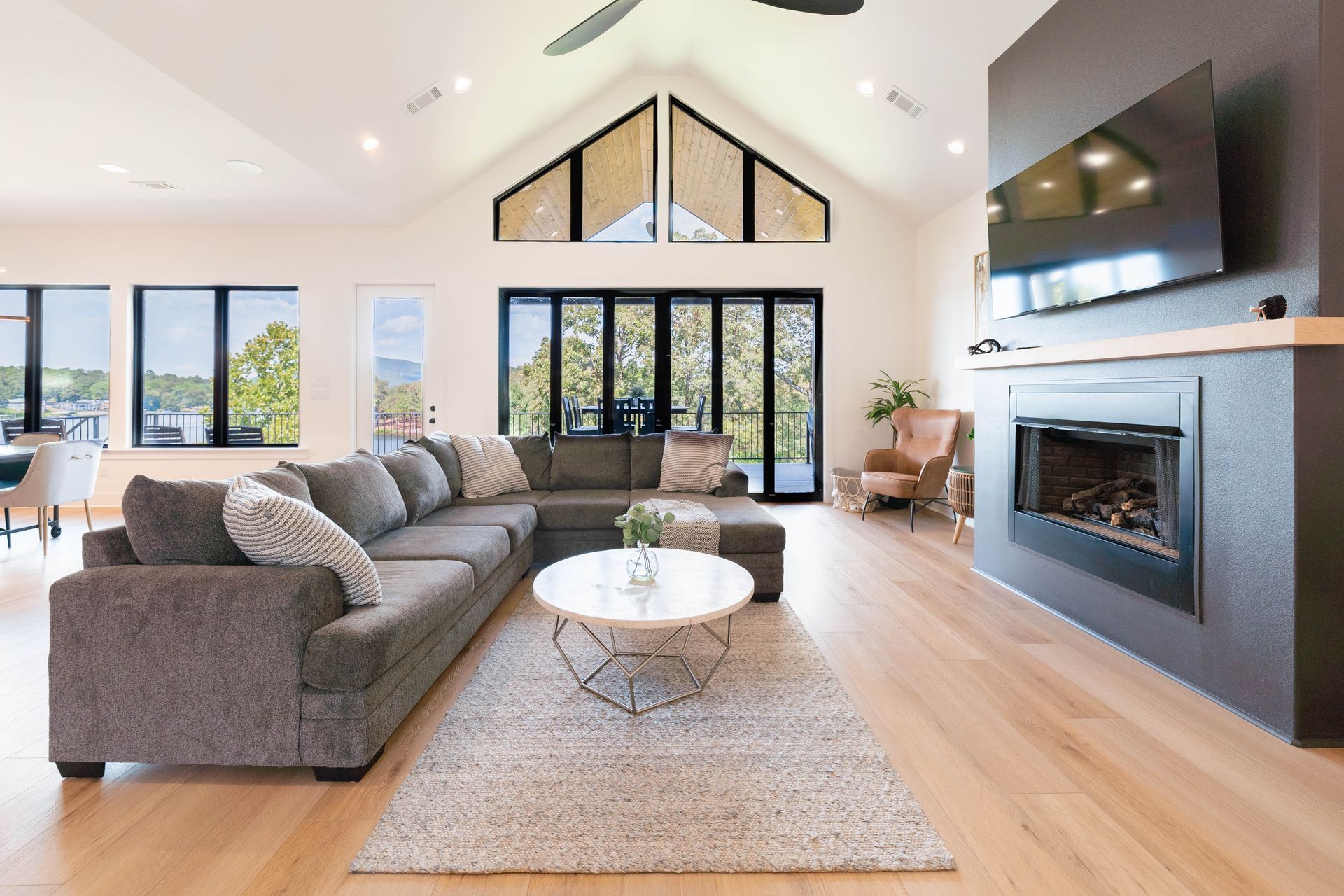
Textures & Finishes: A Guide to Interior Surfaces

The right materials and finishes don’t just make a home look beautiful—they make it feel right. From sleek countertops to soft textiles and matte wall finishes, texture plays a powerful role in how each space functions and flows.


Whether you're building a custom home or preparing for a design appointment, understanding your options can help you create a cohesive, comfortable interior that reflects your style. Here's a breakdown of common interior surfaces, finish types, and how to use them to elevate your home's design.


Walls: More Than Just Paint

Flat or Matte Paint
Perfect for ceilings or low-traffic rooms. It hides imperfections and gives a soft, modern look but is less washable than other options.


Eggshell and Satin
Great for living rooms, hallways, and bedrooms—these finishes strike a balance between durability and subtle sheen.


Semi-Gloss or Gloss
Best in high-moisture or high-traffic areas like kitchens, bathrooms, and trim. These reflect more light and are easy to clean.


Specialty Finishes
Consider textures like Venetian plaster, limewash, or wall paneling (like board and batten or shiplap) to add visual interest and tactile dimension.


Ceilings: The Fifth Wall

Don’t underestimate the ceiling. Custom textures or finishes here can completely transform a space.


  • Smooth finish: Clean and modern
  • Textured finish (knockdown or skip trowel): Adds depth and hides minor imperfections
  • Exposed beams or tongue-and-groove wood: Bring warmth and architectural character to living rooms, kitchens, or bedrooms


Flooring: Function Meets Feel

Hardwood
Classic, warm, and long-lasting. Choose between smooth, hand-scraped, or wire-brushed textures based on your style and lifestyle.


Engineered Hardwood or LVP (Luxury Vinyl Plank)
Great alternatives that offer the look of wood with improved durability, water resistance, and a softer underfoot feel.


Tile
From glossy to matte, patterned to textured, tile is ideal for bathrooms, laundry rooms, and mudrooms. Use textured finishes for grip or statement backsplashes for visual flair.


Carpet
Still a top choice for bedrooms and bonus rooms. Cut pile, loop pile, or textured styles each offer different looks and levels of softness and durability.


Countertops: Style That Works

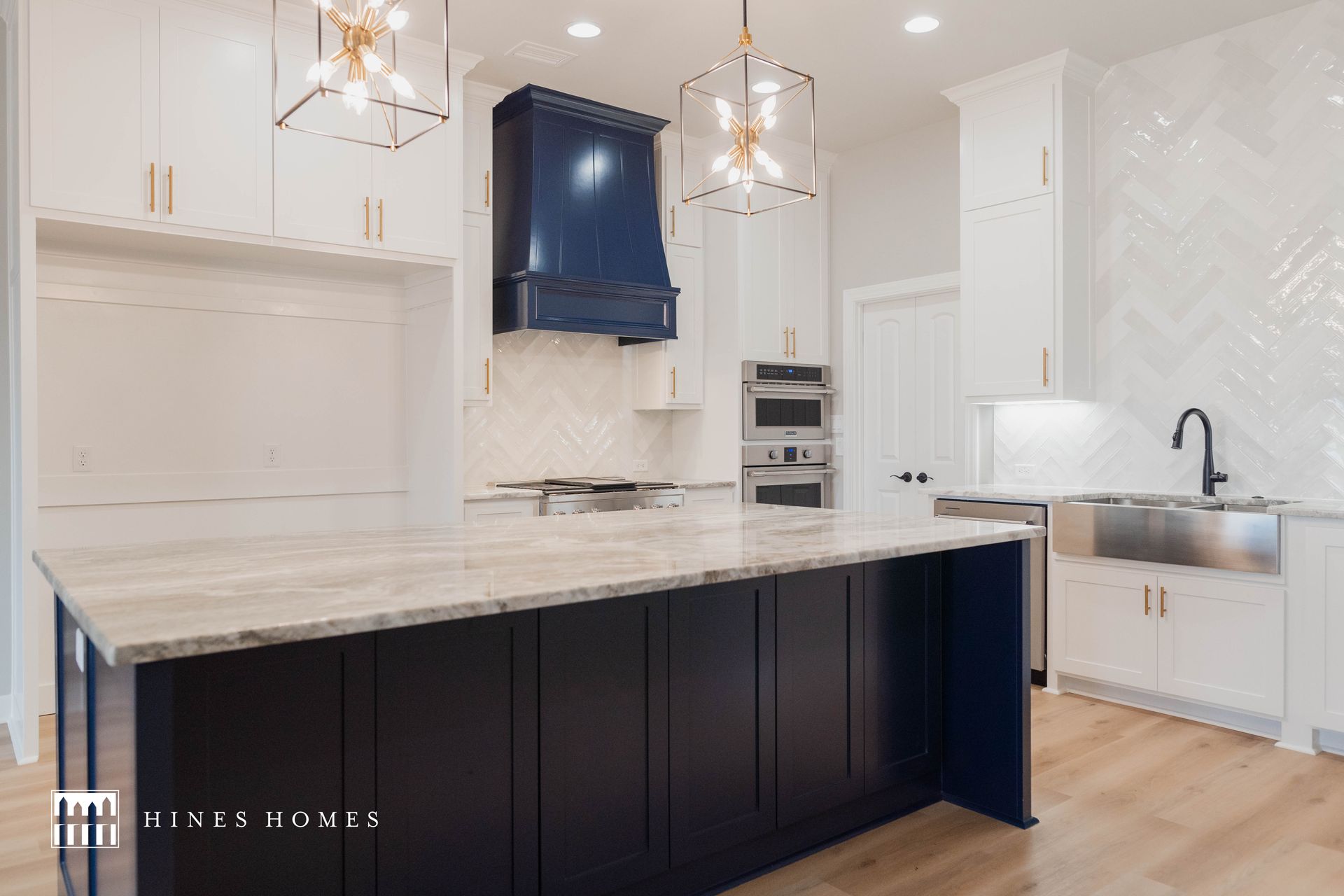
Quartz
Low-maintenance, non-porous, and available in a wide range of patterns and finishes—great for kitchens and bathrooms.


Granite
Durable and natural, with unique patterning and a glossy finish that adds depth.


Marble
Elegant and timeless, ideal for vanities or accent areas. Slightly softer and higher-maintenance but a standout in any design.


Butcher Block or Concrete
Add warmth and texture to prep spaces or islands. Sealed properly, these surfaces blend style with usability.


Cabinet Finishes: Subtle Statement Makers

Cabinets are one of the largest visual elements in kitchens and bathrooms. Finishes make a big difference:


  • Painted (matte or satin): Clean, smooth, and available in any color
  • Stained wood: Brings out grain and warmth, perfect for traditional or rustic styles
  • Textured laminates or rift-cut wood: Offer a modern, durable twist with visual depth
  • Glazed or distressed finishes: Add character and a lived-in charm to classic cabinetry


Mixing tones—like natural wood with painted uppers—adds contrast and custom appeal.


Fixtures and Hardware: Finish it Off

Small in size, big in impact. Hardware and fixtures act as the jewelry of your home.


  • Matte black: Bold and modern, pairs well with light and dark surfaces
  • Brushed nickel or stainless: Timeless and versatile
  • Champagne bronze or aged brass: Adds warmth and a bit of vintage flair
  • Mixed finishes: When done intentionally, mixing metals can create balance and depth in kitchens and baths


Creating Cohesion Through Texture

When combining surfaces and finishes throughout your home, balance is key. Too many glossy or too many matte elements can overwhelm. A mix of textures—soft textiles, smooth counters, rough wood accents, sleek metals—keeps things visually interesting and comfortable to live in.


Pro tip: Choose one or two consistent finishes (like matte black hardware or oak-toned flooring) to repeat in different areas, tying everything together without making the home feel matchy-matchy.


Build with Texture in Mind

Interior surfaces do more than serve a purpose—they create feeling, function, and flow. From the warmth of wood grain to the sheen of polished stone, every finish adds a layer to your home’s personality.


Share
By Taylor Hunt November 28, 2025
A beautiful home is more than just stylish—it should also support the health and well-being of the people who live there. That’s where wellness-focused design comes in. From the air you breathe to the water you drink and the light that fills each room, the environment inside your home plays a powerful role in how you feel every day. As more homeowners prioritize comfort, longevity, and quality of life, these three essentials— air, water, and light —have become key elements in custom home design. Air Quality: Breathe Easier Indoors Indoor air can often be more polluted than outdoor air, especially in well-insulated homes where allergens, chemicals, and moisture can build up. Improving air quality is one of the most impactful wellness upgrades available. Smart air quality strategies include: Whole-home air purification systems that filter out dust, dander, allergens, and VOCs (volatile organic compounds) Mechanical ventilation systems (like ERVs or HRVs) that bring in fresh outdoor air while maintaining indoor temperature Low-VOC materials like paints, sealants, and flooring to reduce chemical off-gassing Humidity control through built-in dehumidifiers, especially in areas with high moisture levels Cleaner air contributes to better sleep, fewer allergies, and overall improved respiratory health—making the entire home feel fresher and more comfortable. Water Quality: Cleaner, Safer, and Softer Water is essential to everyday life, from cooking and drinking to bathing and laundry. But not all water that enters a home is equal. Investing in water quality systems improves both safety and experience. Water-focused design features may include: Whole-house water filtration systems to remove chlorine, sediment, heavy metals, and other contaminants Reverse osmosis systems under the kitchen sink for ultra-pure drinking water Water softeners to reduce mineral buildup in pipes and on fixtures Touchless or filtered faucets for added hygiene and convenience Clean water isn’t just about taste—it’s about long-term health, appliance lifespan, and even skin and hair quality. Natural Light: A Daily Wellness Boost Light affects everything from mood and energy levels to sleep patterns and productivity. Thoughtful lighting design brings the benefits of natural daylight indoors while allowing control and comfort throughout the day. Key lighting strategies in wellness design: Maximized natural light through large windows, skylights, or transom windows that fill the home with daylight Proper orientation and window placement to reduce harsh glare and afternoon heat gain Circadian lighting systems that mimic the natural rhythm of daylight, supporting better sleep and alertness Layered artificial lighting including task, ambient, and accent lighting to provide flexibility in every room Exposure to quality light—especially in the morning—has been shown to improve mood, boost energy, and help regulate the body's natural clock. Bonus Wellness Features to Consider Biophilic design elements , like natural materials and indoor greenery, that connect the indoors with nature Smart home systems to automate light, air, and temperature for greater control Soundproofing and acoustic design to create quiet, restful spaces Wellness-focused layouts , like spa-inspired bathrooms or meditation nooks for daily rejuvenation A Healthier Home Starts with Design Wellness isn’t just a trend—it’s a new standard in thoughtful homebuilding. By focusing on air, water, and light quality, it’s possible to create a home that not only looks good but actively supports the health and comfort of everyone who lives there.
By Taylor Hunt November 25, 2025
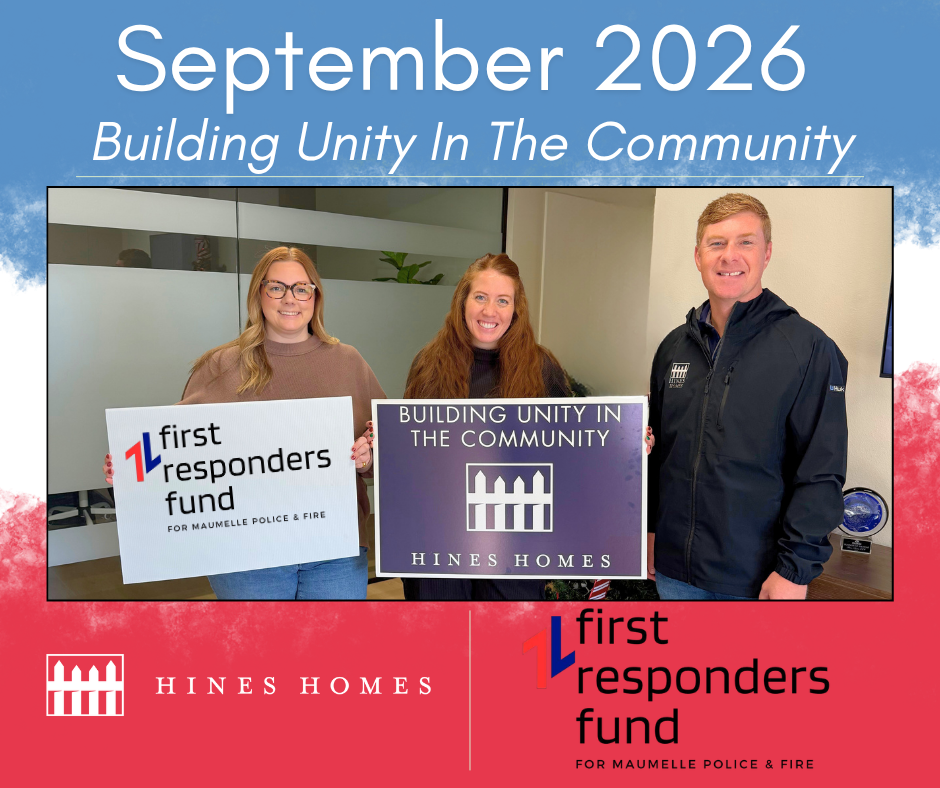
Hines Homes Connecting: Supporting Big Brothers Big Sisters of Central Arkansas
By Taylor Hunt November 14, 2025
Remote work has become a way of life for many—and that means the home office is no longer an afterthought. Whether you work from home full-time, run a business, or just need a place for focused productivity, a well-designed home office makes all the difference. The best home offices are more than just a desk and chair. They’re functional, private, stylish, and customized to how you work best. Here’s how to create a space that’s both productive and personal. Start with Smart Placement Where the office is located in your home matters. Choosing the right spot sets the tone for focus and flexibility. Front-of-home offices work well for those who meet clients or want a view of the street Rear-facing or upstairs offices offer more privacy and quiet, perfect for deep work or virtual meetings Main-level flex rooms can serve dual purposes (office today, guest space tomorrow) Detached or above-garage offices create separation between work and home life The goal is to find a spot that minimizes distractions but still fits your lifestyle and daily flow. Prioritize Natural Light & Lighting Layers Lighting plays a big role in mood, productivity, and eye comfort. Ideally, the office will have: Ample natural light from windows or transoms to boost focus and energy Task lighting like adjustable desk lamps for reading or detail work Overhead ambient lighting that’s evenly diffused and flicker-free Window treatments to control glare on screens Bonus: Placing your desk near a window adds visual relief throughout the day. Customize Storage & Built-Ins Functionality matters—especially when it comes to staying organized. Built-ins and custom storage can keep everything within reach without crowding the room. Ideas include: Wall-to-wall shelving for books, files, or display pieces Built-in desks with drawer systems to reduce clutter Hidden charging stations or printer cabinets for a cleaner aesthetic Floating shelves or vertical storage to free up floor space When everything has a place, the office stays calm, focused, and easy to maintain. Sound Control = Peace & Productivity Noise can be one of the biggest productivity killers. To create a quieter workspace: Use solid-core doors to dampen sound between rooms Add rugs, acoustic panels, or upholstered furniture to reduce echo Consider insulated walls if the office is near active areas like the kitchen or playroom Install sound machines or white noise systems for additional privacy Even small adjustments can have a big impact on focus and mental clarity. Make It Tech-Ready A modern home office should be built with tech in mind—especially for virtual meetings and digital workflows.  Add ample outlets and USB ports in easy-to-access areas Install structured wiring for strong internet and device integration Consider built-in webcam lighting or backdrops if video calls are frequent Hide cords with cable management systems for a cleaner look Integrating technology into the design avoids messy workarounds later. Style Matters—Make It Personal While function comes first, don’t forget to make the space inspiring. A well-styled office can motivate you to stay productive and make it easier to separate work from leisure. Design tips: Use a color palette that energizes or calms, depending on your workflow Add art, photos, or inspirational quotes to reflect your personality Choose comfortable but supportive seating for long hours Include a small sitting area for reading, brainstorming, or casual calls The space should feel like a reflection of your work style—not a leftover room with a desk in it. Designed for Focus, Built for Life Working from home isn’t going away—and neither is the need for intentional, well-designed office space. Whether you’re building your dream home from the ground up or customizing a flex room, the right home office can change the way you work, think, and live.
By Taylor Hunt November 7, 2025
When people think about custom home design, they often focus on kitchens, living spaces, and outdoor areas. But one of the most versatile and underappreciated spaces in any home is the garage . Far more than just a spot to park vehicles, the garage offers valuable square footage that—with the right planning—can support storage, hobbies, organization, and even comfort. Whether you're a car enthusiast, weekend DIYer, or just want a space that works harder behind the scenes, here’s how to transform the garage from an afterthought into a fully integrated part of your home. Storage Solutions That Make Sense The garage often becomes a catch-all for tools, sports equipment, seasonal décor, and overflow from inside the house. Smart, built-in storage can turn chaos into order. Consider options like: Wall-mounted systems for tools, bikes, and gardening gear  Overhead racks for large bins or seasonal items Lockable cabinets for paint, chemicals, or valuables Mudroom-style cubbies or lockers for shoes, bags, and sports gear—especially near the interior entry With a place for everything, the garage becomes a functional extension of the home rather than a dumping ground. Workshop and Hobby Zones Love to tinker, build, or craft? The garage is a great place to carve out a space just for you. Adding a workbench, pegboard wall, and task lighting creates the perfect environment for: Woodworking and DIY projects Gardening prep Art or model building Home repairs or auto work Add durable flooring and good ventilation to make it comfortable year-round. Utility Upgrades That Make a Difference Beyond storage, the right mechanical and material upgrades can help your garage perform better—and last longer. Insulated garage doors and finished walls regulate temperature and improve energy efficiency Epoxy or sealed concrete floors resist stains and are easy to clean Dedicated circuits or outlets support power tools, EV chargers, or large appliances Drop-zone sinks are great for post-yardwork cleanups or washing paint brushes These upgrades are especially helpful for anyone who spends time working or organizing in the garage regularly. Smart Features for Everyday Ease A garage that functions well also helps your whole home run smoother. Consider: Motion-sensor lighting so no one fumbles in the dark Built-in speakers for music while working or entertaining Smart garage door openers with remote access and security features Charging stations for electric vehicles or yard tools The right tech can turn this once-overlooked space into one of the most efficient rooms in the house. Design Touches That Feel Custom Just because it’s a garage doesn’t mean it can’t be stylish. Small upgrades can make it feel polished and tailored. Match built-in cabinetry to your home’s color palette Add accent lighting over work areas or shelves Install windows or skylights for natural light Use framed wall art, signs, or personal touches to reflect your hobbies Whether the goal is clean and modern or rugged and industrial, the garage deserves the same level of design attention as the rest of your home. A garage can be so much more than a space for cars. With thoughtful customization, it becomes a hard-working, well-organized, and surprisingly stylish part of your everyday life.
By Taylor Hunt October 31, 2025
Open concept homes have become a staple in modern design—and for good reason. They feel airy, connected, and inviting. But great home design goes beyond open concept. True flow isn’t just about knocking down walls. It’s about creating a home that feels natural to move through, where every space is both functional and intentional. Whether you’re building from scratch or planning a layout, here’s how to design a home that flows beautifully from room to room. Define Spaces Without Closing Them Off Flow doesn’t mean one big open room—it means visual and functional continuity. Instead of relying on walls, use subtle design cues to define each space while maintaining openness. Ceiling details like beams, trays, or vaults can mark transitions Flooring changes or area rugs help “anchor” spaces within an open layout Lighting choices can signal function—think pendants over dining areas or sconces near reading nooks These details give each zone a sense of purpose, without disrupting the overall openness. Consider How People Actually Move The best home layouts are rooted in real life. A well-flowing home considers traffic patterns, transitions between rooms, and how spaces are used daily. Key design tips for movement: Keep pathways clear—especially between high-traffic areas like kitchens, entryways, and family rooms Avoid dead-end spaces by connecting rooms in logical ways (i.e., laundry near the primary suite, mudroom near the garage) Widen hallways slightly or use archways and open sightlines to make movement feel intuitive and unrestricted When a home supports how people actually live, every room feels easier to navigate. Use Layout to Encourage Connection—and Privacy Not every space needs to be open. Flow is also about balance. Open living areas encourage connection, but tucked-away retreats support rest and focus. Smart layout strategies: Group noisy, social spaces (like kitchens and living rooms) toward the center Position bedrooms or offices in quieter zones, buffered by closets or bathrooms Use staircases, built-ins, or half-walls to create subtle divisions without isolating spaces completely This creates a rhythm to the home—open when you want it, private when you need it. Align Indoor and Outdoor Living Flow extends beyond the walls of the home. Connecting indoor and outdoor spaces makes a home feel larger, brighter, and more livable year-round. Design strategies to increase indoor-outdoor flow: Use large sliders or French doors to blur the line between interior and exterior Align patios, decks, or outdoor kitchens with indoor gathering spaces Maintain consistent flooring tones or ceiling materials to carry the aesthetic outdoors When outdoor spaces feel like natural extensions of the home, it encourages everyday use—not just seasonal enjoyment. Let Lighting Lead the Way Lighting does more than illuminate—it guides. A well-lit home flows better because lighting helps define mood, function, and direction throughout the day. Incorporate a mix of:  Natural light from strategically placed windows, especially near entry points and transitions Task lighting in kitchens, offices, and bathrooms for practical function Ambient lighting like sconces or cove lighting to enhance movement in hallways and staircases When lighting is layered and intentional, it supports how people move and feel in every room. Designing for Flow = Designing for Real Life A home with great flow feels calm, cohesive, and easy to live in. It allows people to gather and connect when they want to, and find privacy when they need it. It works with your routines, not against them. Whether you’re building your forever home or reimagining your layout, thoughtful flow makes all the difference.
By Taylor Hunt October 28, 2025
Hines Homes Supporting The CALL
By Taylor Hunt October 24, 2025
When you think about home, you probably imagine comfort, style, and functionality. But what if your home could also improve your health? From the air you breathe to how easily you move through your space, every design choice can play a role in creating a healthier living environment. Here’s how to incorporate wellness-forward features into the homes we build—without overcomplicating the process. Light That Lifts Your Mood Natural light is one of the most underrated wellness tools out there. It can boost your mood, help regulate sleep, and even improve productivity. That’s why we prioritize designs that flood the home with sunlight. Think large windows, open floor plans, and—when needed—clever additions like transoms or skylights. A brighter home simply feels better to live in. Clean Air, Clear Mind Indoor air quality is a big deal, especially in today’s well-sealed, energy-efficient homes. We use HVAC systems with high-performance filters, recommend low-VOC paints and finishes, and offer ventilation solutions that help move stale air out and bring fresh air in. Breathing clean air isn’t just a comfort—it’s foundational to better health. Inspired by Nature There’s a reason people feel more relaxed around natural materials and earthy tones. Bringing the outside in—what designers call biophilic design—can help lower stress and increase focus. In our homes, that might mean wood beams, stone textures, large windows with green views, or plants that bring a little life into the space. And when you can step right outside to enjoy a covered patio or tree-lined view? Even better. Rooms That Invite You to Recharge Your home should have places that feel like a break from the busyness of life. Whether it’s a cozy primary suite, a spa-like bathroom, or a peaceful reading nook, we love creating rooms that encourage rest. Soft lighting, soothing colors, and thoughtful layouts go a long way in making your space feel calm and restorative. Easy Movement, Everyday Wellness isn’t just about stillness—it’s about motion, too. That’s why we design homes that support an active lifestyle, even in subtle ways. Wide walkways, flexible bonus rooms, and inviting outdoor areas give you space to move, stretch, and live without restriction. Whether you’re doing yoga in a spare room or chasing kids around the backyard, your home should move with you.
By Taylor Hunt October 17, 2025
There’s something special about an older home—arched doorways, original hardwoods, vintage tile, and details you just don’t find in new construction. But while charm and character may be timeless, function and comfort often need an update. Blending historic beauty with modern livability is both an art and a science. When done right, a well-renovated classic home feels warm, updated, and uniquely personal. Here's how thoughtful renovation can honor the past while building for the future. Respecting the Bones of the Home The goal in renovating a historic property isn’t to erase its age—it’s to celebrate it. Original craftsmanship often serves as the foundation for design choices. Whether it’s restoring millwork, preserving original windows, or refinishing hardwood floors, the key is to identify what’s worth keeping and what needs thoughtful updating. Wherever possible, vintage details are retained or replicated to maintain the home’s character—think original doors, fireplace surrounds, built-ins, and hardware that tell a story. Updating the Layout for Today’s Lifestyle Older homes were designed for a different era of living—often with smaller rooms, closed-off kitchens, and minimal storage. Renovations allow those layouts to be reimagined for modern life. That might include: Opening up walls to create better flow between kitchens, dining areas, and living spaces  Adding a functional mudroom or laundry area Expanding or reconfiguring bathrooms and closets Carving out space for home offices or flex rooms The result is a floor plan that fits today’s needs while preserving the home’s soul. Upgrading the Systems Behind the Walls One of the most critical (and least visible) parts of any historic renovation is the upgrade to internal systems. Outdated plumbing, electrical, and HVAC components are often replaced to ensure safety, efficiency, and comfort. Modern upgrades might include: New electrical panels and updated outlets Energy-efficient HVAC systems Spray foam or blown-in insulation Tankless water heaters High-performance windows that mimic historical aesthetics These changes reduce utility costs, increase comfort, and ensure the home is up to current building codes—without compromising on charm. Mixing Old and New Materials with Intention A beautiful renovation blends past and present seamlessly. That might mean pairing original floors with modern light fixtures, or adding contemporary cabinetry alongside antique doors. Some favorite combinations include: Natural wood paired with matte black or brass hardware Original brick or plaster walls juxtaposed with smooth, minimalist finishes Subway tile in classic patterns with updated color palettes Reclaimed materials like wood beams or vintage tile reused in a fresh way It’s not about making an old house look new—it’s about enhancing its character with modern functionality. Adding Modern Comfort Without Losing Charm Historic homes weren't built with today’s tech or comfort expectations—but they can still be adapted to meet them. Some ways to integrate modern convenience include: Smart thermostats and security systems Radiant floor heating in renovated bathrooms Custom cabinetry designed to blend with existing trim Improved lighting plans that highlight architectural details These upgrades make day-to-day living easier while ensuring the home still feels like it belongs in its original time period. Renovating a historic home is about more than just restoration—it's about writing the next chapter in a story that began decades ago. By blending preservation with progress, it's possible to create a home that honors its history while offering everything needed for modern living.
By Taylor Hunt October 10, 2025
Life doesn’t stand still—and your home shouldn’t either. From growing families to new careers, aging parents to retirement, life brings change. A well-designed custom home can offer more than style and comfort—it can adapt, evolve, and support the next season of your life just as well as the current one. Here’s how thoughtful planning and future-focused features can create a home that grows with you. Flexible Floor Plans for Changing Needs One of the best ways to build for the future is by starting with a layout that offers flexibility. Instead of locking into a specific use, design spaces that can evolve over time. Main-level flex rooms can shift from a home office to a nursery, hobby room, or guest space Bonus rooms or lofts provide space for teens now—and a home gym or media room later Split-bedroom layouts create privacy for multigenerational living or visiting relatives Optional secondary suites with private bathrooms can support aging parents or adult children The goal is to design for how life might change—not just what it looks like right now. Age-in-Place Features That Blend Seamlessly Even if retirement feels far away, it’s smart to plan for comfort and accessibility down the road—without making your home feel clinical. Simple, subtle age-in-place features include:  Wide doorways and hallways for easy mobility Zero-threshold entries and showers to eliminate trip hazards Main-level primary suites to reduce dependence on stairs Lever-style door handles and smart lighting controls for easier daily use Incorporating these elements early makes aging in place a natural part of your home’s design—not an afterthought. Storage That Grows With You As life changes, so does your need for space. Built-in storage and adaptable organization help your home adjust without feeling crowded or cluttered. Walk-in pantries that can double as appliance garages or family command centers Attic access or garage shelving for seasonal décor, sports gear, or long-term storage Drop zones and mudrooms to manage backpacks, coats, diaper bags—or whatever life brings next Linen closets and under-stair storage that evolve with your family’s routines When storage is built into the design, it becomes part of how the home works—not something to fix later. Multi-Use Outdoor Living Outdoor spaces aren’t just for entertaining—they’re extensions of your living space that can grow with you, too. Screened porches can be used for play areas, quiet retreats, or dining spaces Patios with gas hookups are easy to upgrade with outdoor kitchens or fire pits later Flat, level yards are great for play now—and gardening or relaxing down the road Privacy landscaping or fencing provides flexibility for pets, kids, or guests With the right foundation, outdoor areas can shift with the seasons and stages of your life. Technology That Adapts Smart home features don’t just add convenience—they can support aging in place, remote work, security, and energy efficiency. Structured wiring makes it easy to upgrade tech as needed Smart thermostats, lighting, and locks support energy savings and hands-free comfort Security systems and cameras give peace of mind as needs change Remote entry and monitoring tools are helpful for aging homeowners or multigenerational families Choosing a tech-ready home gives you options—whether you're managing your home from afar or adjusting to a new daily routine. A well-designed home isn’t just a reflection of your style—it’s a partner in your life. It supports you through seasons of growth, transition, and change. With a little planning, you can build a home that’s just as ready for tomorrow as it is for today.
By Taylor Hunt October 3, 2025
The idea of building a custom home can be exciting—but also a little intimidating. With so many choices to make, it's easy to assume the process will be stressful or overly complex. But the truth is, custom doesn’t have to mean complicated. Personalizing a home can be both fun and straightforward, especially with the right planning and guidance. Whether you're just beginning the process or refining the details, here are simple, impactful ways to make a custom build feel uniquely yours—without adding unnecessary pressure. Start with a Smart Floor Plan and Make Thoughtful Tweaks You don’t need to start from scratch to create a home that fits your lifestyle. Choosing a well-designed floor plan as a starting point allows for flexibility while keeping the process manageable. Small adjustments—like adding a home office, converting a spare room into a gym, or widening a hallway—can make a big difference. Open-concept layouts, split bedroom designs, or extended patio options are all examples of minor layout changes that can add major personalization without reinventing the wheel. Choose Finishes That Reflect Your Style Finishes are where personality really shines. From cabinetry colors to flooring materials, the visual details of your home help create a space that feels like you. Whether you prefer modern, farmhouse, or transitional style, thoughtful material selections bring the entire design together. Some simple yet high-impact choices include: Contrasting kitchen island colors Custom tile backsplashes Matte black, brushed gold, or oil-rubbed bronze fixtures Statement lighting in entryways or dining spaces The best part? Many of these upgrades don’t significantly complicate the timeline or budget. Add Function with Built-Ins and Smart Storage Personalization isn’t just about aesthetics—it’s about how a home works for you. Smart storage can transform the way a space functions, making everyday living easier and more organized. Ideas include: Built-in mudroom benches with cubbies Under-the-stairs storage Custom pantry shelving Floating shelves in living areas or bathrooms These features enhance usability and help maintain a clean, polished look without adding clutter. Tailor the Home to Your Lifestyle A truly custom home supports your daily routine. Think about how each space will be used, and plan accordingly. A few examples: Love to host? Include a beverage fridge, butler’s pantry, or extended dining space Work from home? Opt for added outlets, built-in shelving, or sound insulation in your office Have pets? Add a pet nook, wash station, or scratch-resistant flooring Need multi-use space? Design a flex room that can shift from playroom to guest room to gym over time Personalization often comes down to thinking ahead—how will you live in this space 5, 10, 15 years from now? Outdoor Spaces Count, Too Don’t forget to make outdoor areas an extension of your lifestyle. Covered patios, outdoor kitchens, fire pits, and ceiling fans can turn backyards into everyday retreats. Even small additions—like sliding glass doors or upgraded landscaping—can dramatically improve how connected your indoor and outdoor spaces feel. One of the best ways to simplify the custom home process is by working with a structured design team and making decisions step-by-step. With curated finish packages, visual guides, and expert support, the process becomes far less overwhelming—and more enjoyable. Personalizing a home should be exciting, not exhausting. With the right balance of flexibility and guidance, it’s entirely possible to create a space that feels tailored to your life—without overcomplicating the process.
More Posts