Designing Homes with Wellness in Mind: Air, Water & Light Quality?
A beautiful home is more than just stylish—it should also support the health and well-being of the people who live there. That’s where wellness-focused design comes in. From the air you breathe to the water you drink and the light that fills each room, the environment inside your home plays a powerful role in how you feel every day.
As more homeowners prioritize comfort, longevity, and quality of life, these three essentials—air, water, and light—have become key elements in custom home design.
Air Quality: Breathe Easier Indoors
Indoor air can often be more polluted than outdoor air, especially in well-insulated homes where allergens, chemicals, and moisture can build up. Improving air quality is one of the most impactful wellness upgrades available.
Smart air quality strategies include:
- Whole-home air purification systems that filter out dust, dander, allergens, and VOCs (volatile organic compounds)
- Mechanical ventilation systems (like ERVs or HRVs) that bring in fresh outdoor air while maintaining indoor temperature
- Low-VOC materials like paints, sealants, and flooring to reduce chemical off-gassing
- Humidity control through built-in dehumidifiers, especially in areas with high moisture levels
Cleaner air contributes to better sleep, fewer allergies, and overall improved respiratory health—making the entire home feel fresher and more comfortable.
Water Quality: Cleaner, Safer, and Softer
Water is essential to everyday life, from cooking and drinking to bathing and laundry. But not all water that enters a home is equal. Investing in water quality systems improves both safety and experience.
Water-focused design features may include:
- Whole-house water filtration systems to remove chlorine, sediment, heavy metals, and other contaminants
- Reverse osmosis systems under the kitchen sink for ultra-pure drinking water
- Water softeners to reduce mineral buildup in pipes and on fixtures
- Touchless or filtered faucets for added hygiene and convenience
Clean water isn’t just about taste—it’s about long-term health, appliance lifespan, and even skin and hair quality.
Natural Light: A Daily Wellness Boost
Light affects everything from mood and energy levels to sleep patterns and productivity. Thoughtful lighting design brings the benefits of natural daylight indoors while allowing control and comfort throughout the day.
Key lighting strategies in wellness design:
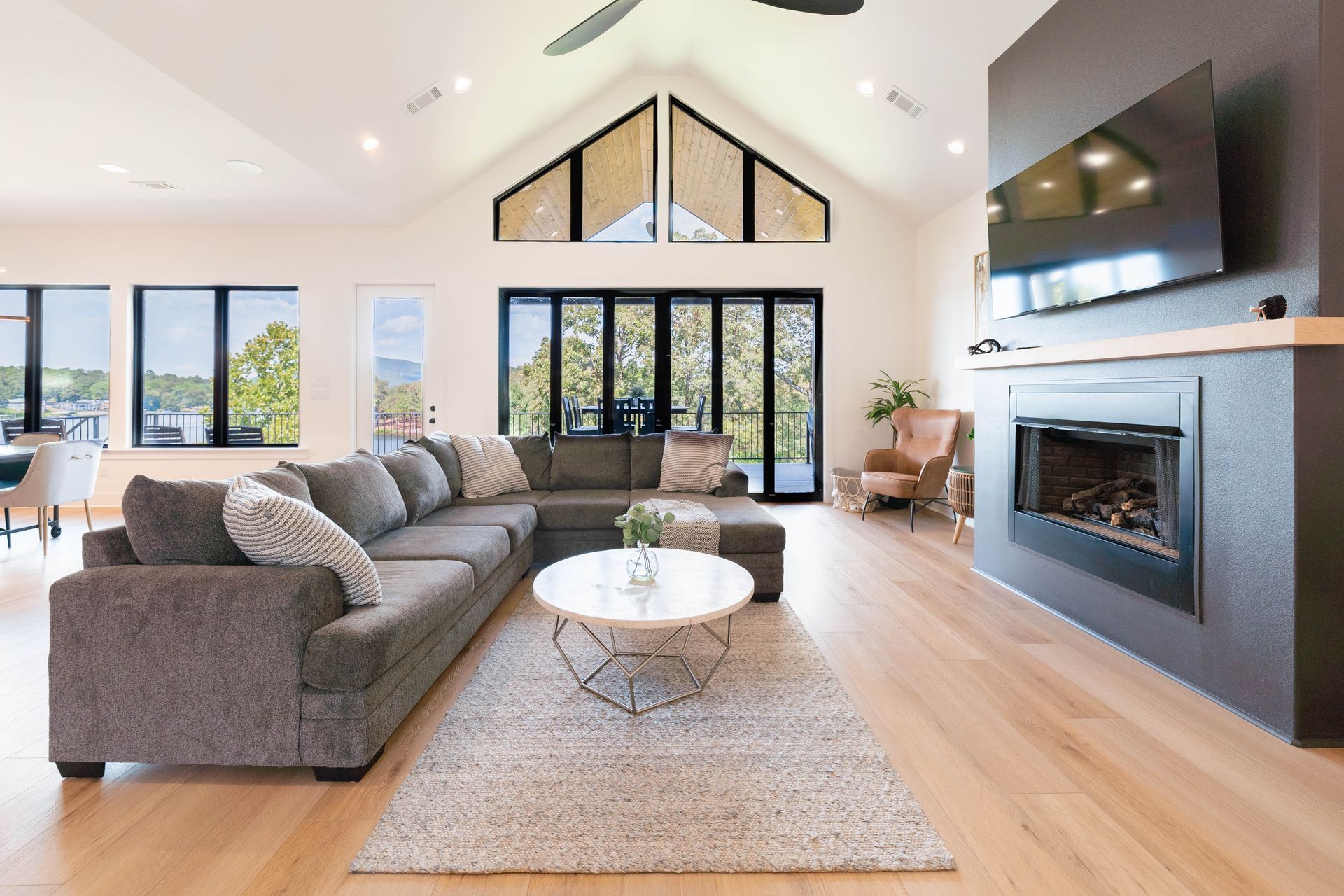
- Maximized natural light through large windows, skylights, or transom windows that fill the home with daylight
- Proper orientation and window placement to reduce harsh glare and afternoon heat gain
- Circadian lighting systems that mimic the natural rhythm of daylight, supporting better sleep and alertness
- Layered artificial lighting including task, ambient, and accent lighting to provide flexibility in every room
Exposure to quality light—especially in the morning—has been shown to improve mood, boost energy, and help regulate the body's natural clock.
Bonus Wellness Features to Consider
- Biophilic design elements, like natural materials and indoor greenery, that connect the indoors with nature
- Smart home systems to automate light, air, and temperature for greater control
- Soundproofing and acoustic design to create quiet, restful spaces
- Wellness-focused layouts, like spa-inspired bathrooms or meditation nooks for daily rejuvenation
A Healthier Home Starts with Design
Wellness isn’t just a trend—it’s a new standard in thoughtful homebuilding. By focusing on air, water, and light quality, it’s possible to create a home that not only looks good but actively supports the health and comfort of everyone who lives there.

Share