Customized Comfort: Heating & Cooling Solutions for Large Homes

Heating & Cooling Solutions for Large Homes

Maintaining a comfortable temperature in a large home can be challenging, but with the right heating and cooling solutions, you can achieve optimal comfort year-round. A one-size-fits-all approach doesn’t work for expansive spaces, so custom HVAC systems, smart technology, and energy-efficient solutions are key to keeping every room at the perfect temperature. Whether you’re building a new home or upgrading your current system, here’s how to design a heating and cooling setup that maximizes comfort, efficiency, and luxury.


Zoned HVAC Systems for Personalized Comfort

One of the best ways to ensure consistent temperatures throughout a large home is by using a zoned HVAC system. Instead of relying on a single thermostat for the entire house, a zoned system divides the home into different climate-controlled areas. Each zone has its own thermostat, allowing for personalized temperature control based on room usage and individual preferences. This setup eliminates hot and cold spots while improving energy efficiency.


High-Efficiency Furnaces and Heat Pumps

For heating large homes, high-efficiency furnaces and heat pumps provide powerful yet cost-effective solutions. Modern furnaces with variable-speed blowers adjust airflow to maintain even temperatures, preventing drastic fluctuations. Geothermal and air-source heat pumps are also excellent choices for eco-friendly, long-term energy savings. These systems pull heat from the air or ground, offering both heating and cooling functions with reduced energy consumption.


Smart Thermostats for Seamless Control

A smart thermostat is a must-have for large homes, providing precise control over heating and cooling settings from anywhere. These devices learn household habits, adjusting temperatures automatically to maximize comfort while reducing energy waste. Smart thermostats can integrate with zoned HVAC systems, allowing homeowners to program different temperatures for various areas of the house with just a few taps on a phone or voice command.


Whole-Home Humidity Control

Large homes often struggle with humidity imbalances, leading to dry air in winter and excessive moisture in summer. A whole-home humidifier and dehumidifier system ensures consistent humidity levels, improving air quality and overall comfort. Proper humidity control also helps preserve wood floors, furniture, and artwork while reducing allergens and respiratory issues.


Energy-Efficient Ventilation & Air Purification

Ensuring fresh air circulation in a large home is essential. Energy recovery ventilators (ERVs) and heat recovery ventilators (HRVs) improve indoor air quality by bringing in fresh outdoor air while retaining heating or cooling energy. High-end air purification systems with HEPA filters or UV technology remove allergens, dust, and bacteria, promoting a healthier living environment.


Creating a comfortable climate in a large home requires a strategic approach that balances efficiency, technology, and customization. Zoned systems, smart controls, radiant heating, and air quality solutions all work together to maintain an ideal indoor environment. With the right heating and cooling solutions, you can enjoy year-round comfort tailored to your home’s unique needs, ensuring a luxurious living experience no matter the season.
Share

By Kaley Price August 26, 2026
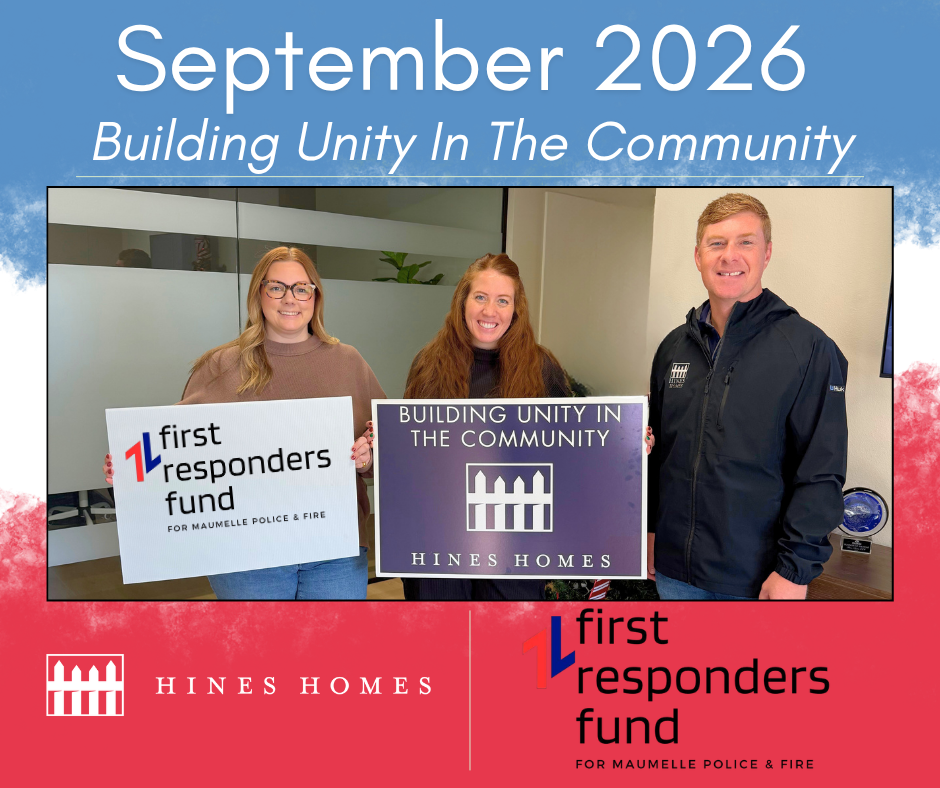
Hines Homes Supporting Women & Children First At Hines Homes, we believe a home should be more than four walls—it should be a place where people feel safe, secure, and supported. That belief makes this month’s Building Unity in the Community organization especially meaningful to us. For August, we are proud to support Women & Children First , an Arkansas organization dedicated to providing safety, strength, and hope to individuals and families impacted by domestic violence. Creating a Safe Place to Begin Again For nearly 50 years, Women & Children First has been serving survivors of domestic violence throughout Arkansas. What began as a small crisis line has grown into one of the state’s largest and longest-operating domestic violence service providers, helping more than 18,000 survivors and their children. Their mission is centered around helping survivors move from crisis toward safety and independence. Women & Children First provides services including: 24/7 crisis support Emergency safe shelter Counseling and emotional support Legal advocacy Resources and assistance for children and families Support designed to help survivors create safe, independent futures Their shelter and crisis services are available around the clock, ensuring help is there when it is needed most. Building More Than Shelter As homebuilders, the idea of a safe home carries special meaning for our team. We spend every day creating spaces where families can build their lives, make memories, and feel a sense of belonging. Women & Children First reminds us that feeling safe at home is something everyone deserves. Their work goes far beyond providing a temporary place to stay. Through advocacy, counseling, resources, and survivor-driven care, they help individuals and families take the next steps toward healing, stability, and independence. Their approach puts survivors in control of their own journeys while surrounding them with the resources and support they need. Women & Children First is also working toward the Family Peace Center , a comprehensive domestic violence resource center designed to bring multiple services together under one roof. The goal is to make it easier for survivors to access the help they need without having to navigate numerous agencies and systems on their own. Join Us in Supporting Women & Children First This month, we are honored to recognize and support an organization doing incredibly important work right here in our community. There are several ways to get involved with Women & Children First, including donating, volunteering, attending events, or partnering with the organization. Every contribution helps provide survivors and their families with resources as they work toward lives free from violence. To learn more, get involved, or make a donation, visit wcfarkansas.org . If you or someone you know needs help, Women & Children First's 24-hour crisis hotline is 800-332-4443 . At Hines Homes, we are proud to stand behind organizations that make Central Arkansas stronger. Thank you to Women & Children First for the compassion, hope, and safety you provide to families throughout our state. Together, we can continue building unity in our community—one family, one safe space, and one new beginning at a time.
By Kaley Price July 16, 2026
Building Opportunities Through Arkansas Learning Network
By Kaley Price July 16, 2026
Creating a Life Without Limits with Achieve Community Alliance
By Taylor Hunt April 24, 2026
Hines Homes Supporting Paws for Prison
By Taylor Hunt March 20, 2026
Hines Homes Supporting AR Game & Fish Commission
By Taylor Hunt February 13, 2026
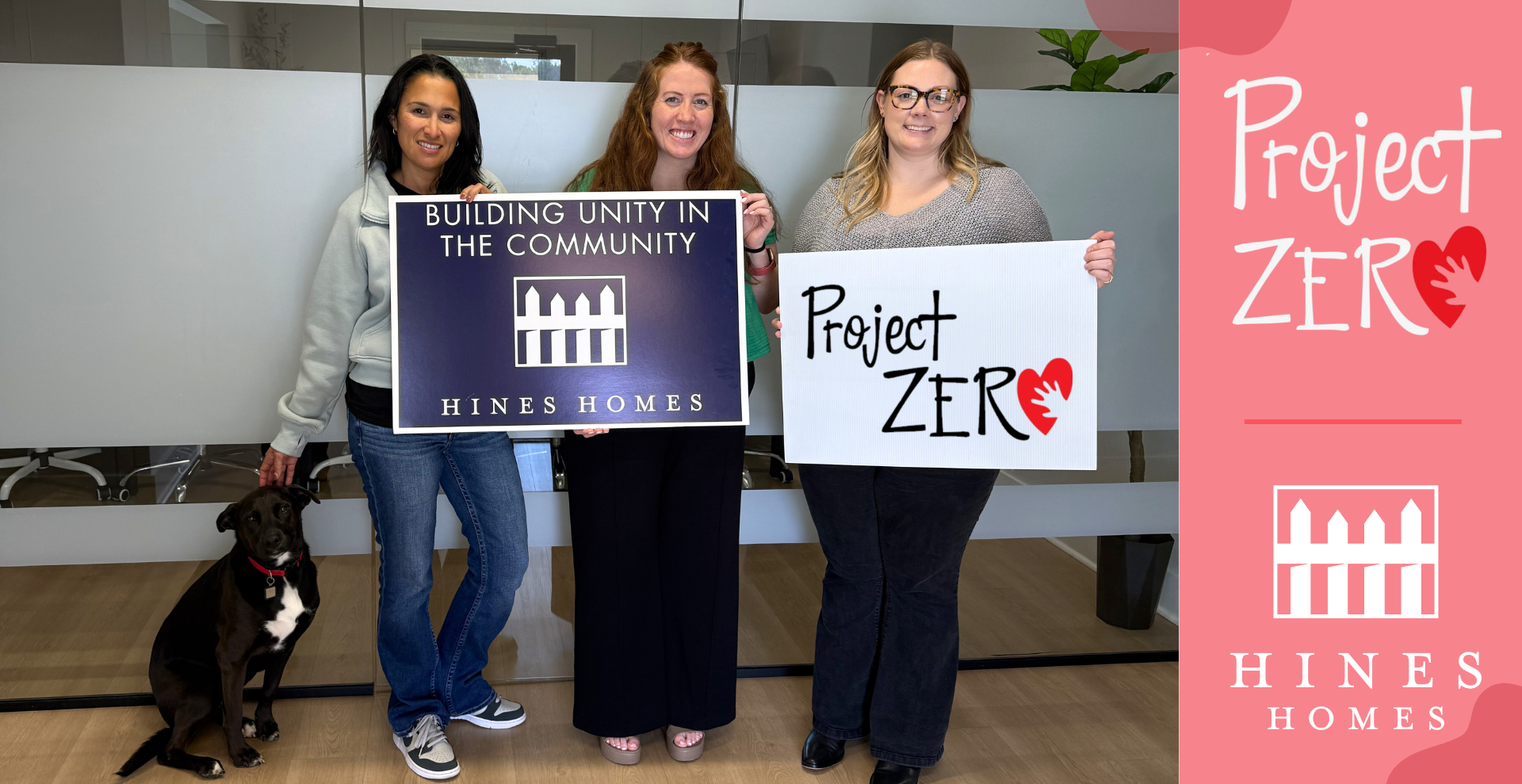
Hines Homes Supporting Project Zero
By Taylor Hunt January 30, 2026
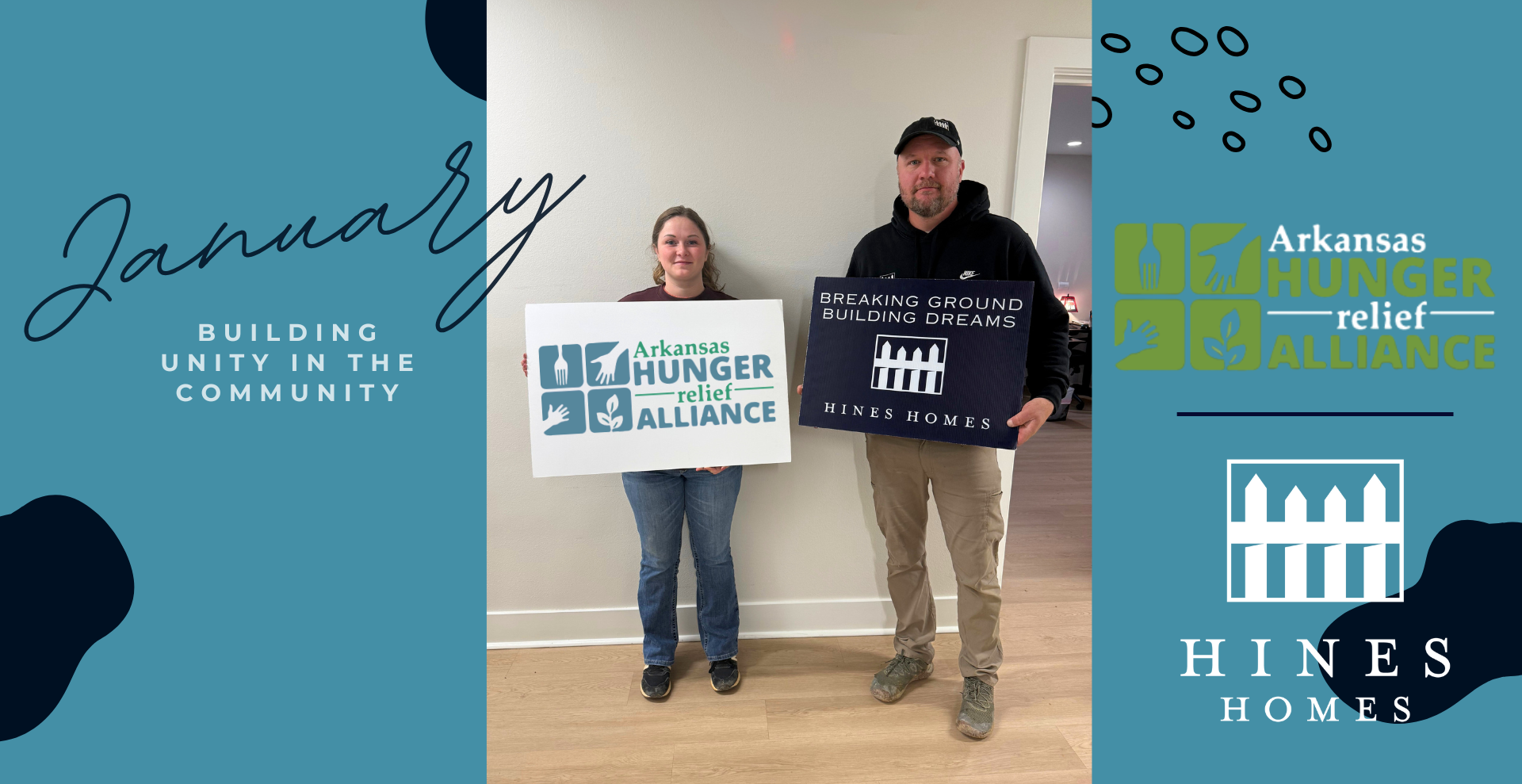
Hines Homes Supporting AR Hunger Relief Alliance
By Taylor Hunt December 26, 2025
This is a subtitle for your new post
By Taylor Hunt December 19, 2025
Hines Homes Supporting Haven Conway
By Taylor Hunt December 19, 2025
Building a custom home starts long before the first foundation is poured. One of the most important early steps is finding and buying the right piece of land. Whether you're dreaming of open acreage, a wooded lot, or a spot in a quiet neighborhood, the land you choose will shape everything from your floor plan to your utilities. If you’re new to the process, don’t worry—this guide breaks down the basics of buying land for your custom home. 1. Know What You Can Afford Before you fall in love with a lot, understand how land fits into your overall budget. Your land cost will be separate from your home construction loan—but both need to be factored into your financing plan. Some buyers purchase land upfront in cash, while others roll it into a construction loan. It’s also important to consider the hidden costs of developing land: Clearing trees or debris Grading and drainage Driveway and access Septic system or sewer hookup Water lines, electricity, and internet 2. Choose the Right Location The old real estate saying holds true: location matters. Think about proximity to work, schools, grocery stores, and medical care. Do you want a quiet rural setting, or a lot in a growing neighborhood? Do you need a flat build site, or are you open to a sloped lot with a walk-out basement? Also check for: Zoning restrictions (residential, agricultural, etc.) HOA or POA regulations Nearby developments or planned road expansions 3. Check Land Access and Utilities Not all land is "build-ready." Some rural lots may not have access to city water, sewer, or electric services. Others might require a private well, septic tank, or propane. Ask: Does the land already have utility hookups? Is there road access? Are there any easements or shared driveways? What’s the soil quality (important for septic systems)? A custom home builder like Hines Homes can help assess whether a lot is viable—and what it will take to prepare it for construction. 4. Understand Local Building Requirements Before buying land, check with the local city or county to see what building permits, inspections, or restrictions apply. Some areas may have height limits, setback rules, or minimum square footage requirements. You’ll also want to find out: Is the lot in a flood zone? Are there any endangered species or environmental issues? What’s the timeline for getting permits approved? Doing this homework upfront can save you time, money, and stress down the line. 5. Get a Land Survey A land survey shows the exact boundaries of the property, as well as easements, utilities, and topography. It’s an essential part of due diligence before you close on any lot. If a recent survey doesn’t exist, you may need to order one yourself. A survey helps ensure you’re building within your legal boundaries—and that you won’t run into issues with neighbors or city inspectors during construction. 6. Work with the Right Team If this is your first time buying land or building a home, you don’t have to do it alone. Working with a knowledgeable custom builder can save you from costly mistakes and help you evaluate lots before you buy. At Hines Homes, we often walk lots with clients before they purchase, giving guidance on: Site grading and preparation Best house orientation (sunlight, views, wind) Utility placement Floor plan options based on the lot shape Final Thoughts Buying land is an exciting first step toward building your dream home—but it requires careful planning. By understanding what to look for and who to partner with, you can make confident decisions from the very beginning. 
More Posts