Defining Luxury: What Sets Our Homes Apart

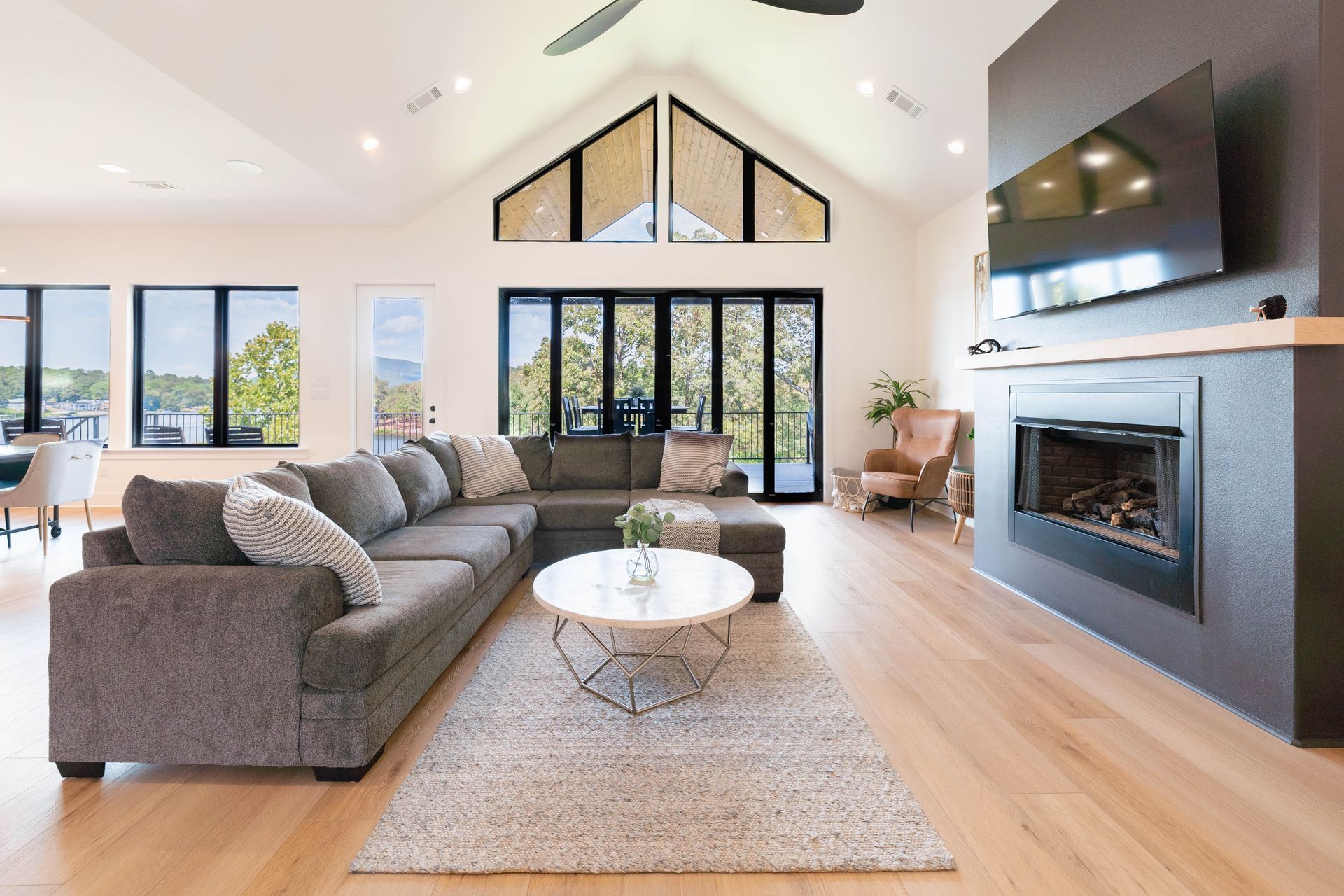
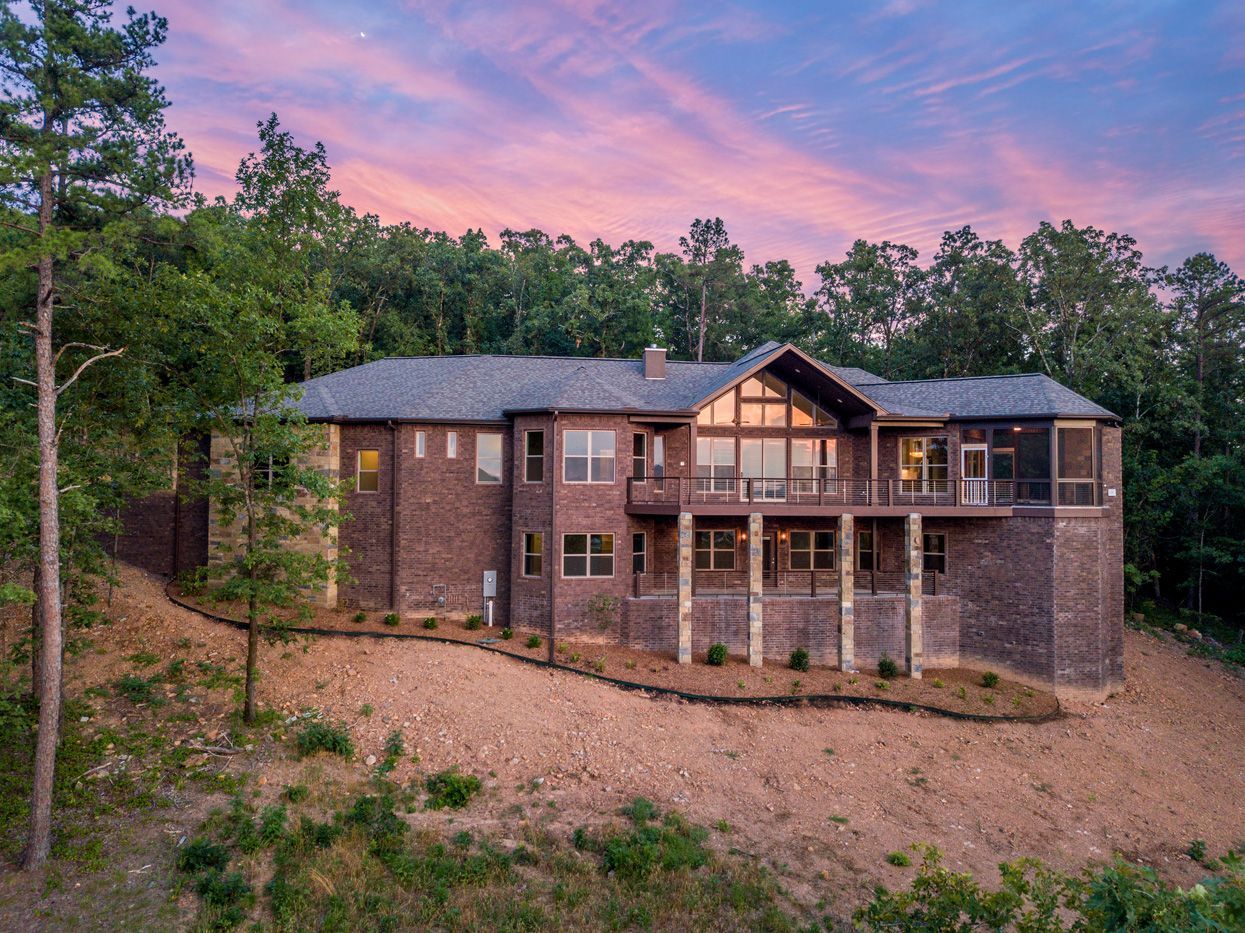
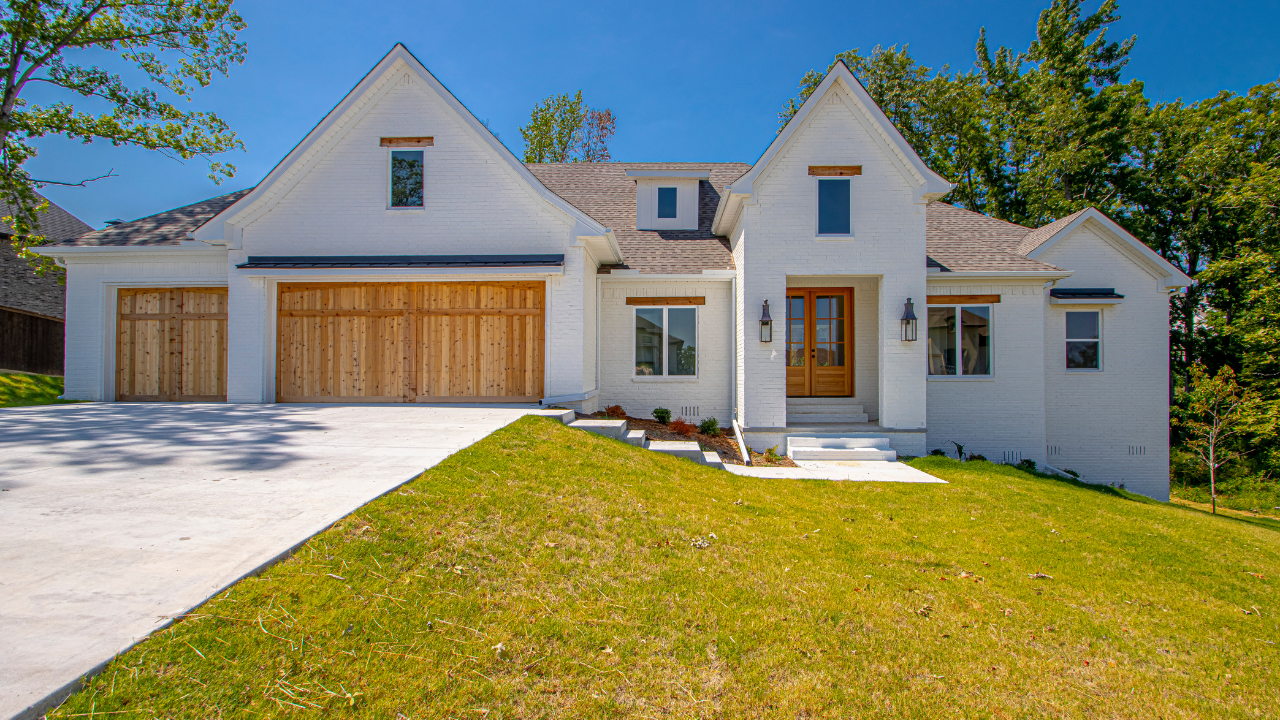
Luxury is more than a price tag; it’s an experience, a feeling of comfort, and a reflection of personal taste and sophistication. At Hines Homes, we redefine what it means to live luxuriously by focusing on the details that truly set our homes apart. Here’s how we bring luxury to life in every project we undertake.


Bespoke Design

True luxury begins with personalization. No two families are the same, so why should their homes be? We work closely with our clients to design spaces that align perfectly with their lifestyles, preferences, and dreams. From custom layouts to hand-picked finishes, every detail is tailored to create a home that is uniquely yours.


Exquisite Craftsmanship

Luxury is in the details, and our homes exemplify meticulous attention to every aspect of construction. Our team of skilled artisans and builders take pride in delivering flawless craftsmanship, from intricate woodwork to perfectly aligned tiles. The result is a home that looks stunning and stands the test of time.


Premium Materials

The foundation of a luxurious home lies in the quality of its materials. We source only the finest, from rich hardwoods and natural stones to high-performance appliances and fixtures. These premium materials ensure that every element of your home exudes sophistication and durability.


Wellness and Comfort

A luxury home should be a sanctuary, promoting relaxation and well-being. We incorporate spa-inspired bathrooms, state-of-the-art fitness areas, and energy-efficient systems to enhance comfort and sustainability. These thoughtful touches create a haven where you can unwind and recharge.


Timeless Elegance

Trends come and go, but true luxury is timeless. Our designs focus on creating homes with enduring beauty, combining classic architectural elements with modern sensibilities. This balance ensures that your home remains a masterpiece for years to come.


Attention to Service

Luxury isn’t just about the home itself; it’s about the experience of creating it. Our team is committed to providing exceptional service, guiding you through every step of the process with transparency and care. Your satisfaction is our top priority from the initial consultation to the final walk-through.

Share

By Kaley Price July 16, 2026
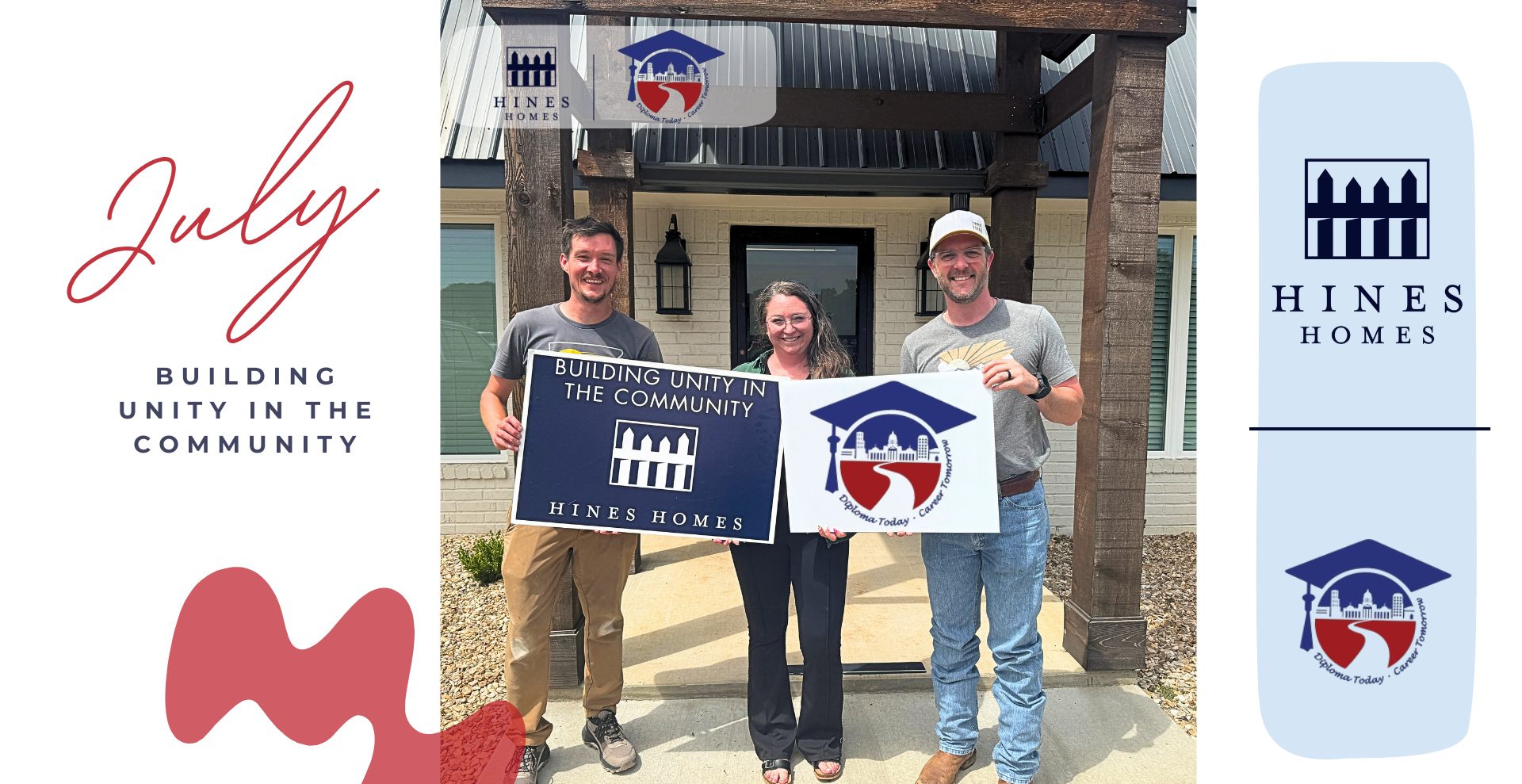
Building Opportunities Through Arkansas Learning Network
By Kaley Price July 16, 2026
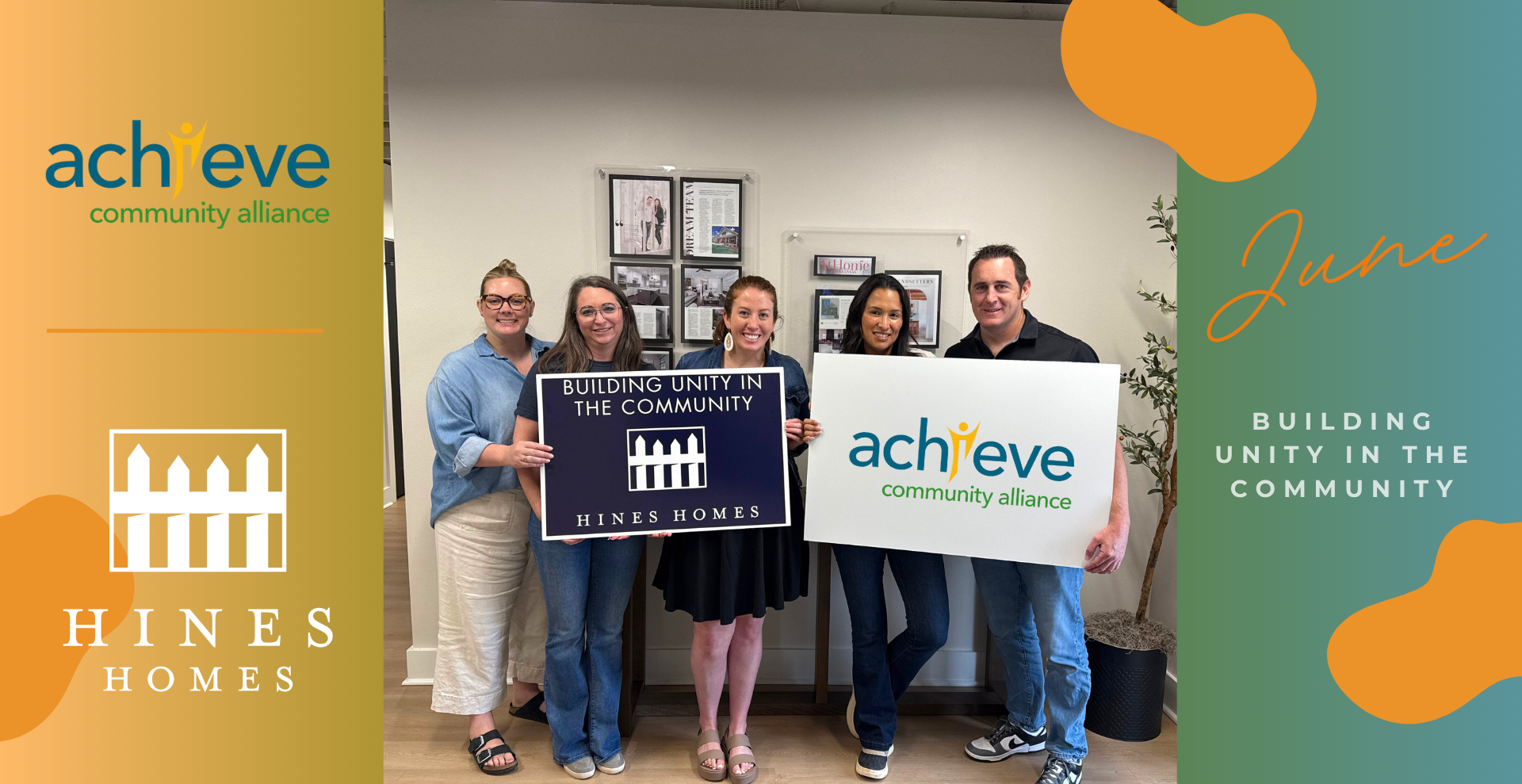
Creating a Life Without Limits with Achieve Community Alliance
By Taylor Hunt April 24, 2026
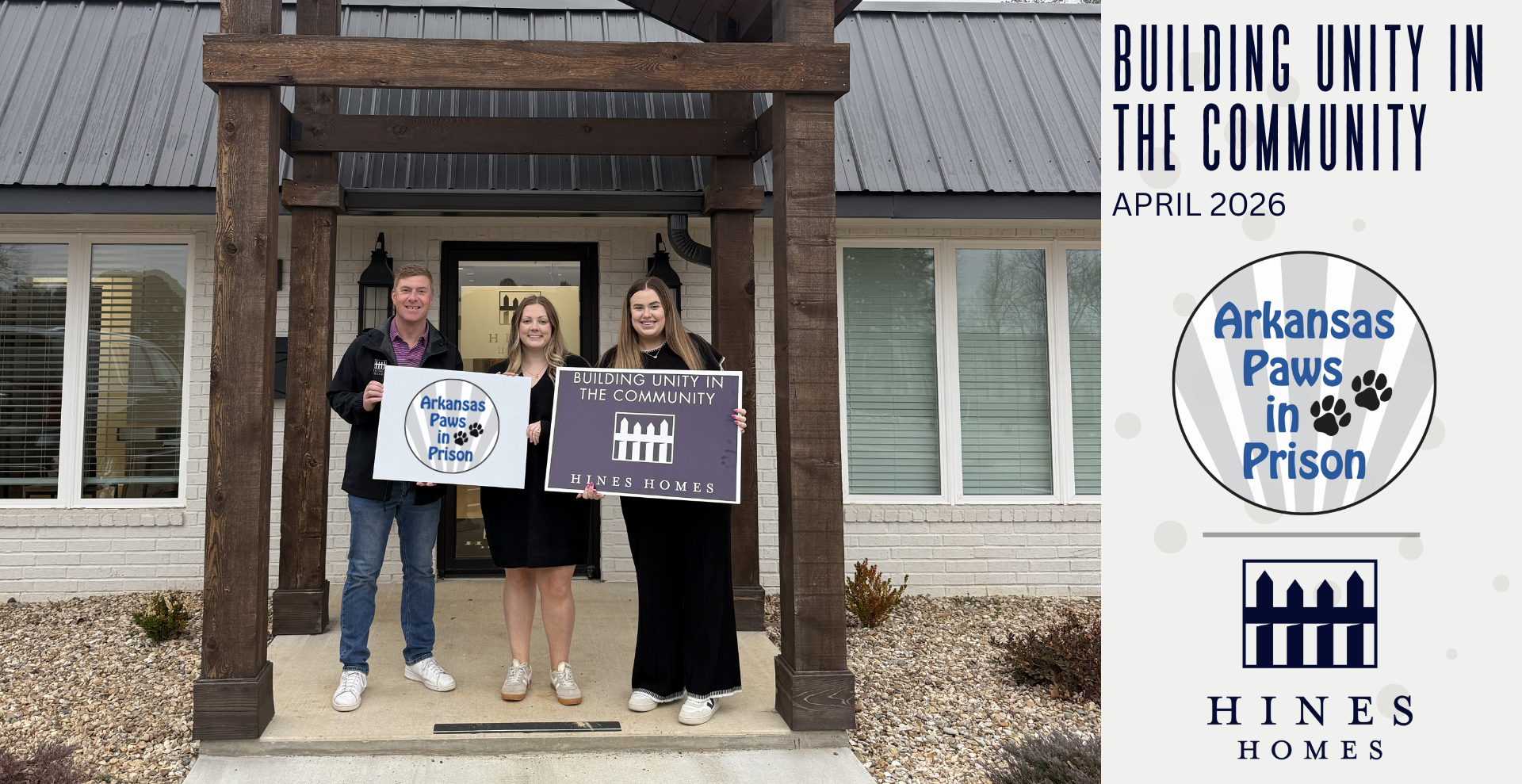
Hines Homes Supporting Paws for Prison
By Taylor Hunt March 20, 2026
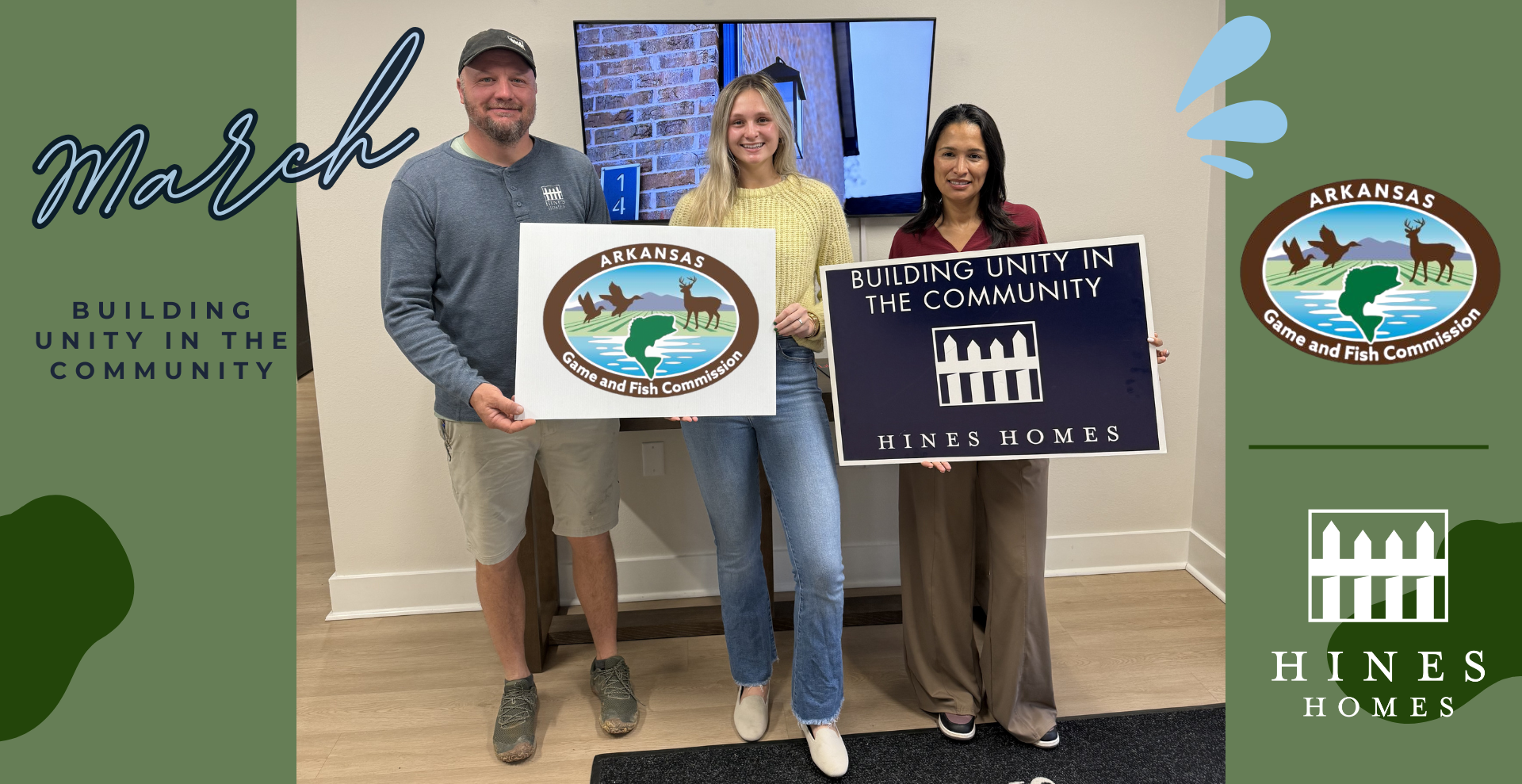
Hines Homes Supporting AR Game & Fish Commission
By Taylor Hunt February 13, 2026
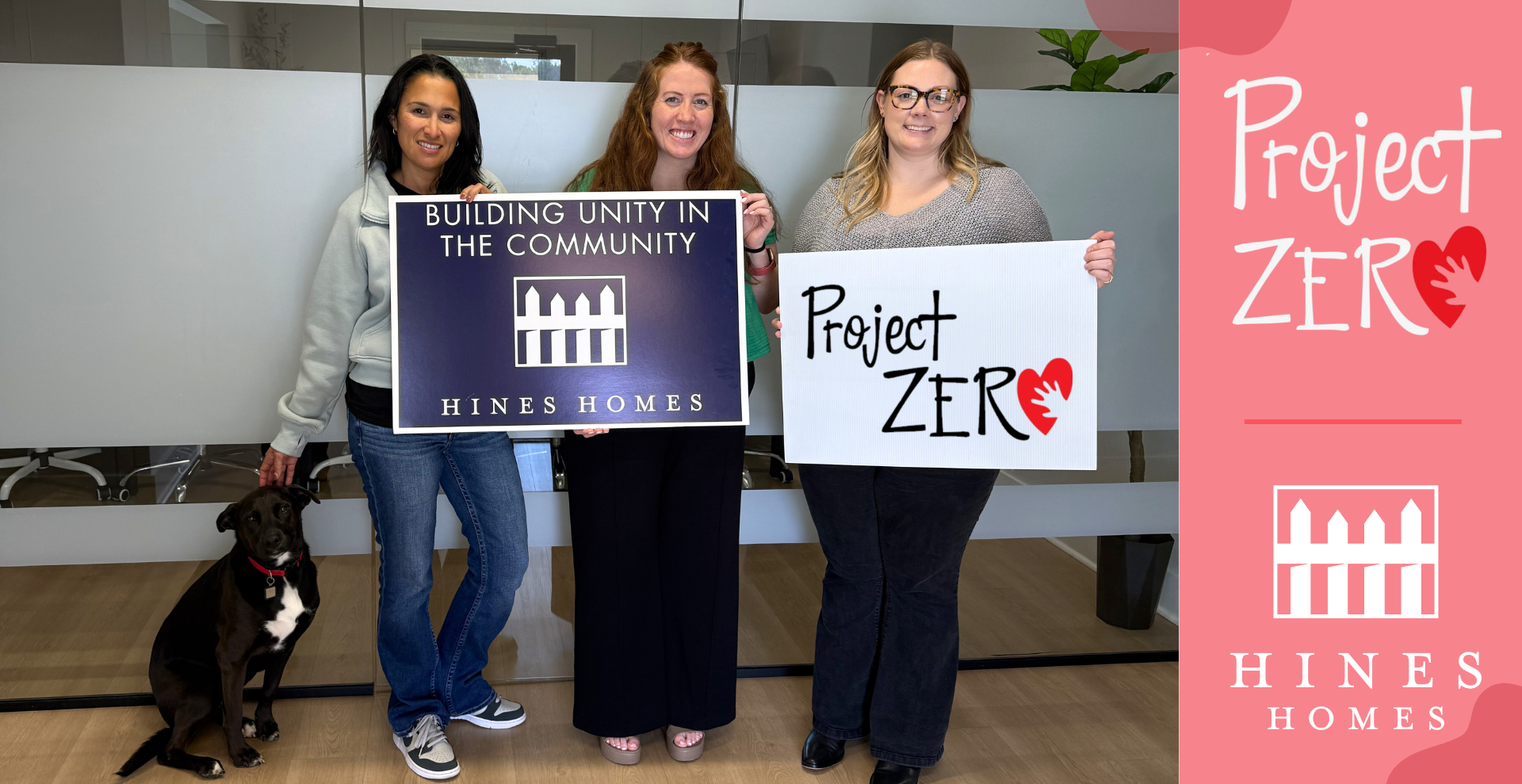
Hines Homes Supporting Project Zero
By Taylor Hunt January 30, 2026
Hines Homes Supporting AR Hunger Relief Alliance
By Taylor Hunt December 26, 2025
This is a subtitle for your new post
By Taylor Hunt December 19, 2025
Hines Homes Supporting Haven Conway
By Taylor Hunt December 19, 2025
Building a custom home starts long before the first foundation is poured. One of the most important early steps is finding and buying the right piece of land. Whether you're dreaming of open acreage, a wooded lot, or a spot in a quiet neighborhood, the land you choose will shape everything from your floor plan to your utilities. If you’re new to the process, don’t worry—this guide breaks down the basics of buying land for your custom home. 1. Know What You Can Afford Before you fall in love with a lot, understand how land fits into your overall budget. Your land cost will be separate from your home construction loan—but both need to be factored into your financing plan. Some buyers purchase land upfront in cash, while others roll it into a construction loan. It’s also important to consider the hidden costs of developing land: Clearing trees or debris Grading and drainage Driveway and access Septic system or sewer hookup Water lines, electricity, and internet 2. Choose the Right Location The old real estate saying holds true: location matters. Think about proximity to work, schools, grocery stores, and medical care. Do you want a quiet rural setting, or a lot in a growing neighborhood? Do you need a flat build site, or are you open to a sloped lot with a walk-out basement? Also check for: Zoning restrictions (residential, agricultural, etc.) HOA or POA regulations Nearby developments or planned road expansions 3. Check Land Access and Utilities Not all land is "build-ready." Some rural lots may not have access to city water, sewer, or electric services. Others might require a private well, septic tank, or propane. Ask: Does the land already have utility hookups? Is there road access? Are there any easements or shared driveways? What’s the soil quality (important for septic systems)? A custom home builder like Hines Homes can help assess whether a lot is viable—and what it will take to prepare it for construction. 4. Understand Local Building Requirements Before buying land, check with the local city or county to see what building permits, inspections, or restrictions apply. Some areas may have height limits, setback rules, or minimum square footage requirements. You’ll also want to find out: Is the lot in a flood zone? Are there any endangered species or environmental issues? What’s the timeline for getting permits approved? Doing this homework upfront can save you time, money, and stress down the line. 5. Get a Land Survey A land survey shows the exact boundaries of the property, as well as easements, utilities, and topography. It’s an essential part of due diligence before you close on any lot. If a recent survey doesn’t exist, you may need to order one yourself. A survey helps ensure you’re building within your legal boundaries—and that you won’t run into issues with neighbors or city inspectors during construction. 6. Work with the Right Team If this is your first time buying land or building a home, you don’t have to do it alone. Working with a knowledgeable custom builder can save you from costly mistakes and help you evaluate lots before you buy. At Hines Homes, we often walk lots with clients before they purchase, giving guidance on: Site grading and preparation Best house orientation (sunlight, views, wind) Utility placement Floor plan options based on the lot shape Final Thoughts Buying land is an exciting first step toward building your dream home—but it requires careful planning. By understanding what to look for and who to partner with, you can make confident decisions from the very beginning. 
By Taylor Hunt December 12, 2025
In the world of home design, it’s easy to get swept up in what’s trending—bold tile, statement colors, or the latest Pinterest craze. But when you're building a home meant to last for decades, it pays to focus on design choices that age well, not just look good today. Here’s how to create a custom home that stays beautiful, functional, and valuable year after year. Start with a Neutral Foundation While accent walls and colorful cabinetry have their place, a timeless home usually starts with a neutral palette. Think whites, warm beiges, soft grays, and natural wood tones. These shades make it easier to update décor without major renovations, appeal to future buyers if you ever sell, and keep spaces feeling clean, open, and classic. Invest in Quality Materials Durability is one of the clearest markers of timeless design. Hardwood flooring, stone countertops, solid wood cabinetry, and quality tile never go out of style. Not only do these materials look better with age, but they also hold up better under daily wear. Bonus: High-quality finishes are a big plus for resale value. Choose Classic Layouts Over Gimmicks An open-concept layout, dedicated entryway, practical kitchen triangle, and ample natural light will always make sense. Focus on flow and function instead of following fads like sunken living rooms or extra-small powder baths. Timeless design isn’t about being boring—it’s about creating a space that works for real life, now and 20 years from now. Keep Built-Ins Simple and Clean Built-in shelving, mudroom cubbies, and bathroom storage are all valuable features—but avoid ornate moldings or overly trendy shapes. Clean lines and intentional placement will always feel fresh and useful. Stick with Tried-and-True Lighting Fixtures Lighting is one of the easiest areas to go trendy—but also one of the fastest to feel dated. Try using timeless finishes like matte black, brushed nickel, or aged brass. Layer lighting (ambient, task, and accent) so it can evolve with your space and style. Add Personality Through Decor (Not Permanent Fixtures) Want to try the latest design trend? Bring it in through pillows, rugs, or curtains; paint or wallpaper in small doses; and art, hardware, or mirrors. These can be easily swapped out—unlike an entire backsplash or patterned floor tile you might regret later. Final Thoughts Trendy design can be fun, but timeless design is smart. At Hines Homes, we help clients blend both—so your home reflects your style while still standing the test of time.
More Posts