Hidden Gems: Smart Storage Spots You Didn't Know You Needed
Here’s your revised blog with **added detail, richer descriptions**, and a more polished flow. It expands on your original draft while keeping the same structure and tone—perfect for a website or email newsletter.
---
## Hidden in Plain Sight: Smart Storage Ideas That Truly Transform Your Home
When building a custom home, it’s easy to get swept up in the big design moments—gourmet kitchens, spa-like bathrooms, and wide-open living spaces. These are the showstoppers, the parts of your home that make a visual impact from the moment someone walks through the door.
But what truly elevates everyday living are the quiet, thoughtful details. The hidden features that simplify your routines, reduce visual clutter, and make your home feel effortlessly organized. Among these, smart storage solutions are the unsung heroes.
Whether it’s a cleverly disguised drawer or a niche tucked into an unused wall, intentional storage keeps your space working hard behind the scenes—without sacrificing style. Here are some of the most overlooked (but most impactful) storage ideas worth including in your custom build.
---
### Under-the-Stairs Built-Ins
The space beneath a staircase is often dismissed as awkward or unusable—but in reality, it’s prime storage real estate. Custom built-ins here can serve several purposes:
* **Pull-out drawers** for shoes, bags, or seasonal gear help reduce entryway clutter
* **A reading nook or pet hideaway** transforms the space into something cozy and purposeful
* **Built-in wine racks or book displays** bring visual interest and personality to a previously blank wall
It’s the perfect example of design meeting function—where every square foot serves a purpose.
---
### Cabinet Toe-Kick Drawers
That small gap beneath your lower kitchen cabinets doesn’t have to go to waste. Shallow, toe-kick drawers can offer surprisingly useful storage:
* **Flat items** like baking sheets, cutting boards, or serving trays slide in easily
* **Pet bowls or treat containers** stay tucked away but easy to access
* **Holiday linens or décor** can be stored without taking up prime cabinet space
Because these drawers sit flush with the cabinet face, they blend in seamlessly and keep your kitchen clean and streamlined.
---
### Laundry Room Wall Niches
Even in spacious laundry rooms, things pile up fast. Built-in wall niches between the studs are a sleek, space-saving solution for:
* **Detergent, dryer sheets, and sprays**, keeping them off counters and shelves
* **Rod space for hang-drying delicates** without installing bulky racks
* **Slim fold-out tables or shelves** that tuck away when not in use
These built-ins maximize efficiency in a space that works hard every day.
---
### Drop Zones That Disappear
Busy entryways and mudrooms benefit from organization—but that doesn’t mean everything needs to be on display. Custom drop zones offer hidden structure through:
* **Built-in charging stations** that keep cords and devices tucked away
* **Cubbies for bags, shoes, and keys**, perfectly sized for each family member
* **Benches with lift-up lids**, offering extra seating and storage in one
These features support your daily comings and goings while maintaining a clutter-free look.
---
### Behind-the-Mirror Medicine Cabinets
In bathrooms—especially guest bathrooms where counter space is limited—smart storage makes a big difference. Full-length or frameless mirrors that open to reveal shelving help:
* **Store daily-use items discreetly**, like skincare or medicine
* **Keep surfaces clean and visually open**, especially in smaller rooms
* **Maintain a minimalist, elegant design**, without sacrificing functionality
It’s a sleek, space-saving solution that adds both beauty and practicality.
---
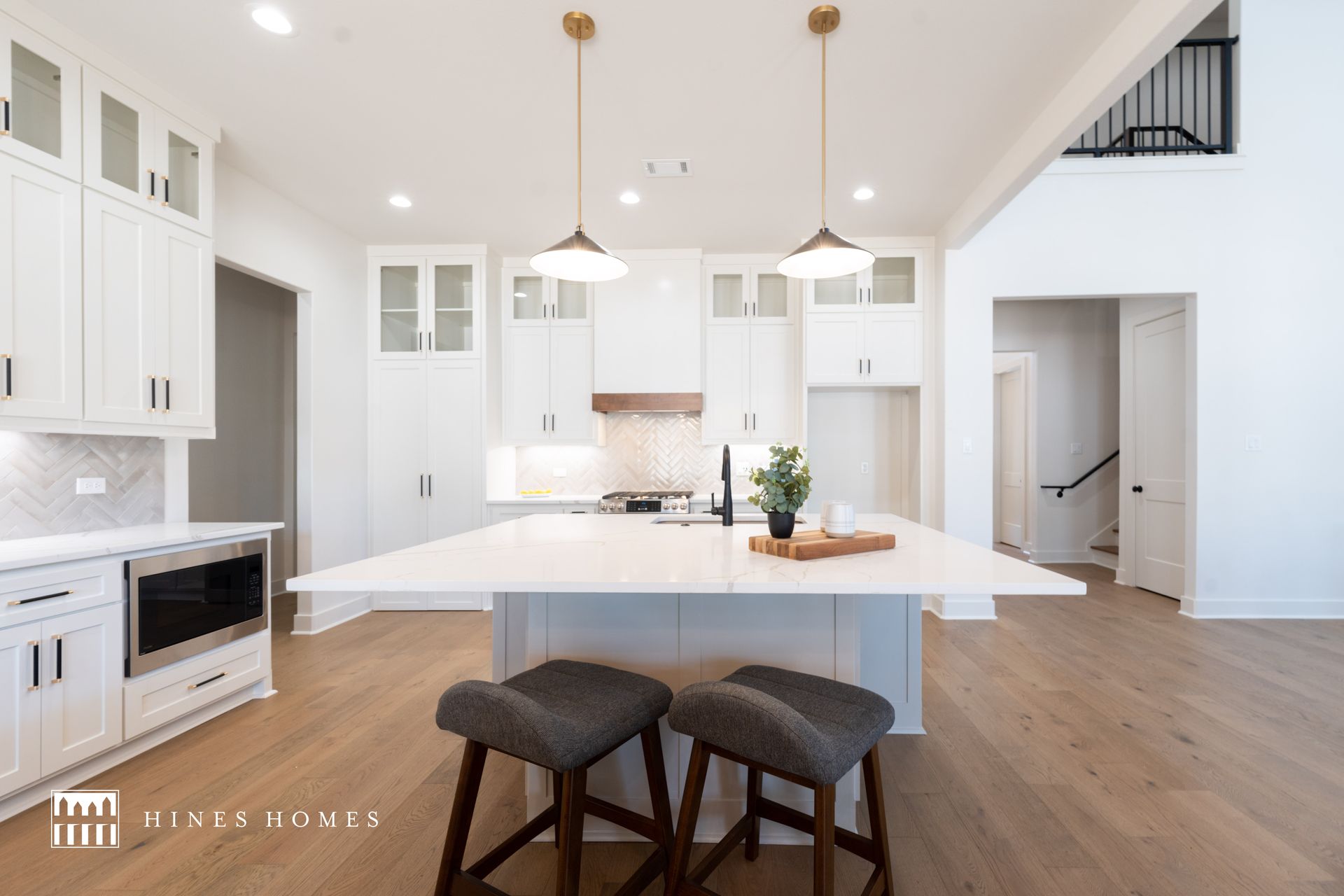
### Dual-Purpose Kitchen Islands
Kitchen islands aren’t just for prep work. With thoughtful planning, they can become hidden storage hubs, featuring:
* **Microwave drawers or spice racks** that free up counter space
* **Pull-out trash and recycling bins** disguised behind cabinet doors
* **Tray dividers, wine storage, or open shelving** for cookbooks or display
* **Pop-up outlets or hidden USB ports**, perfect for charging devices or plugging in small appliances
A well-designed island can be the most hardworking feature in your kitchen.
---
### Attic Access That Actually Works
Most attics are an afterthought—but with a little extra planning, they can become functional storage spaces without needing full climate control. Smart attic upgrades include:
* **Walkable flooring** to access storage safely
* **LED lighting and built-in shelves** for easy navigation and organization
* **Space for holiday décor, luggage, or keepsakes**, keeping your garage and closets free of clutter
It’s a storage solution you won’t need often, but one you’ll be thankful for when you do.
---
### Bedside Niches and Headboard Storage
Not every bedroom has room for full nightstands or dressers. That’s where space-saving built-ins shine:
* **Recessed wall niches with reading lights** replace traditional nightstands in compact rooms
* **Custom headboards with hidden compartments or shelves** add style and practical storage
* **Cord organization systems** keep electronics accessible but out of sight
These features are especially helpful in guest rooms or secondary bedrooms where space is limited.
---
### A Few More Smart Storage Favorites
* **Garage ceiling racks**: Lift storage bins, bikes, or sports gear off the floor
* **Stair riser drawers**: Hidden compartments in stairs for shoes, pet gear, or seasonal items
* **Pantry pocket doors with internal shelving**: Store spices, small items, or even a built-in message center
---
### Designing for Real Life
The best storage doesn’t just hold things—it supports your lifestyle. It keeps the kitchen counters clear, the laundry room manageable, the bedrooms serene, and the drop zones in order. It anticipates your needs before clutter becomes a problem.
Smart storage isn’t flashy. But it’s foundational to a home that feels intentional, functional, and beautifully livable from the inside out.
**Want to explore custom design ideas that blend beauty and practicality?**
Start here: 👉 [www.hines-homes.com](https://www.hines-homes.com)
---
Let me know if you'd like a condensed version of this for a newsletter or a visual social media post to match!
Share

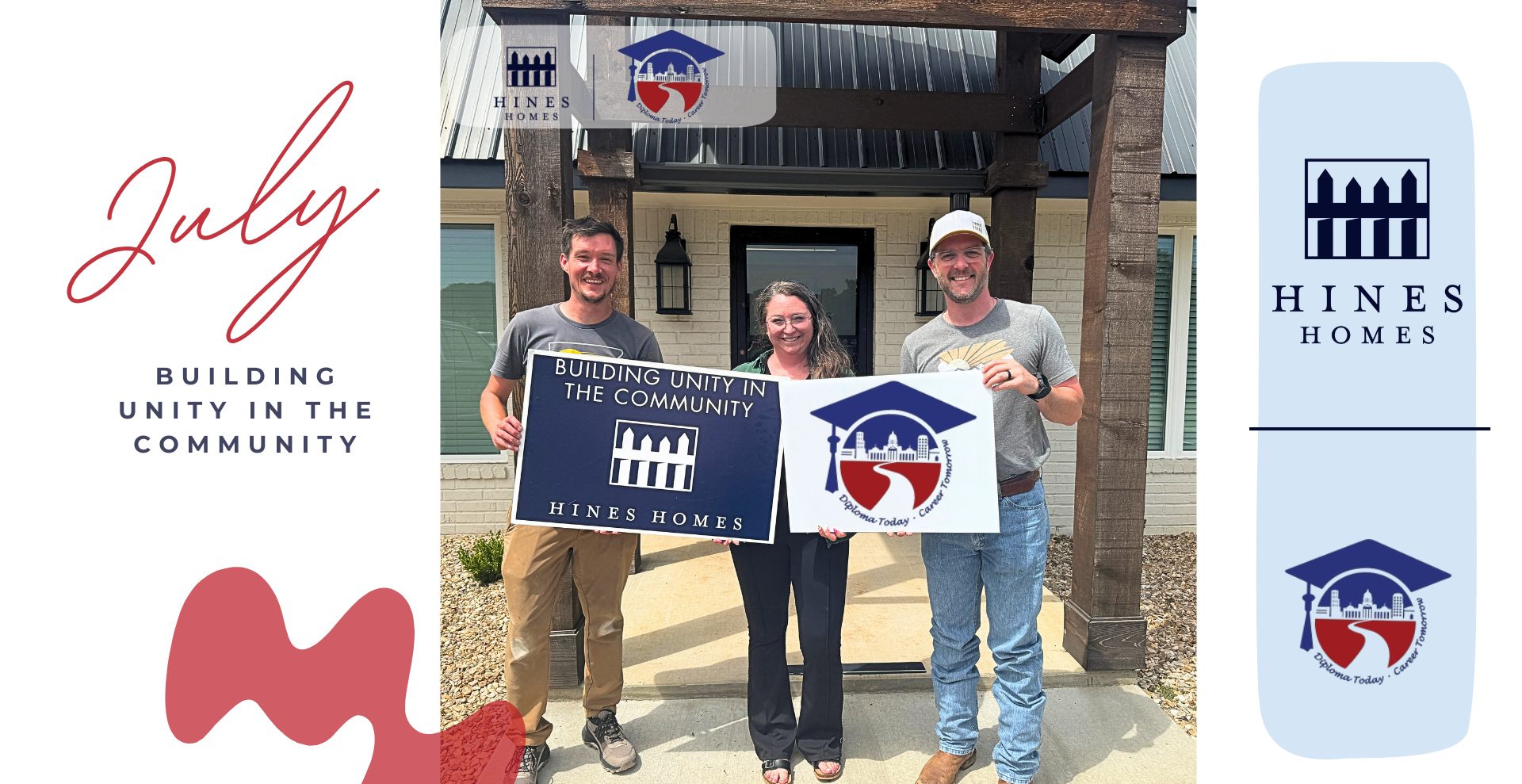
Building Unity in the Community: Supporting the Maumelle First Responders Fund At Hines Homes, building strong communities means more than building houses. It means supporting the people and organizations that make Central Arkansas a better place to live, work, and raise a family. This month, we’re proud to highlight the Maumelle First Responders Fund as part of our #BuildingUnityInTheCommunity initiative. The Maumelle First Responders Fund supports the men and women of the Maumelle Police and Fire Departments by helping provide resources that strengthen their ability to serve and protect our community. These first responders show up for Maumelle every day, and we’re honored to help shine a light on an organization dedicated to supporting them. Supporting Those Who Serve Maumelle First responders play an essential role in keeping our neighborhoods safe and caring for our community during some of its most important moments. The Maumelle First Responders Fund helps provide additional support and resources for local police officers and firefighters, helping them continue the work they do every day. As a local home builder with deep roots in the Maumelle area, supporting organizations like this is especially meaningful to our team. We believe a strong community is built through connection, service, and a willingness to support the people who support all of us. Upcoming Golf Tournament The Maumelle First Responders Fund will be hosting a golf tournament at Maumelle Country Club on October 16 . There are still opportunities available for both players and sponsors , making this a great way for local businesses and community members to get involved while supporting Maumelle’s first responders. Whether you participate in the tournament, become a sponsor, or simply help spread the word, every bit of support helps bring greater awareness to the fund and its mission. Building More Than Homes Through Building Unity in the Community , Hines Homes is committed to recognizing and supporting organizations that make a meaningful difference throughout Central Arkansas. We’re grateful for the dedication of Maumelle’s police officers, firefighters, and first responders, and we’re proud to support the Maumelle First Responders Fund and the work they are doing in our hometown. To learn more about the Maumelle First Responders Fund or find out how you can participate in the upcoming golf tournament, we encourage you to get involved and support this important local organization. https://www.facebook.com/MaumelleFRF/ #BuildingUnityInTheCommunity #HinesHomes #BuildingUnity #CommunityPartners #FirstRespondersFund #MaumelleAR #CentralArkansas #ArkansasHomeBuilder #MaumelleFirstRespondersFund #YourHometownBuilder

Hines Homes Supporting Women & Children First At Hines Homes, we believe a home should be more than four walls—it should be a place where people feel safe, secure, and supported. That belief makes this month’s Building Unity in the Community organization especially meaningful to us. For August, we are proud to support Women & Children First , an Arkansas organization dedicated to providing safety, strength, and hope to individuals and families impacted by domestic violence. Creating a Safe Place to Begin Again For nearly 50 years, Women & Children First has been serving survivors of domestic violence throughout Arkansas. What began as a small crisis line has grown into one of the state’s largest and longest-operating domestic violence service providers, helping more than 18,000 survivors and their children. Their mission is centered around helping survivors move from crisis toward safety and independence. Women & Children First provides services including: 24/7 crisis support Emergency safe shelter Counseling and emotional support Legal advocacy Resources and assistance for children and families Support designed to help survivors create safe, independent futures Their shelter and crisis services are available around the clock, ensuring help is there when it is needed most. Building More Than Shelter As homebuilders, the idea of a safe home carries special meaning for our team. We spend every day creating spaces where families can build their lives, make memories, and feel a sense of belonging. Women & Children First reminds us that feeling safe at home is something everyone deserves. Their work goes far beyond providing a temporary place to stay. Through advocacy, counseling, resources, and survivor-driven care, they help individuals and families take the next steps toward healing, stability, and independence. Their approach puts survivors in control of their own journeys while surrounding them with the resources and support they need. Women & Children First is also working toward the Family Peace Center , a comprehensive domestic violence resource center designed to bring multiple services together under one roof. The goal is to make it easier for survivors to access the help they need without having to navigate numerous agencies and systems on their own. Join Us in Supporting Women & Children First This month, we are honored to recognize and support an organization doing incredibly important work right here in our community. There are several ways to get involved with Women & Children First, including donating, volunteering, attending events, or partnering with the organization. Every contribution helps provide survivors and their families with resources as they work toward lives free from violence. To learn more, get involved, or make a donation, visit wcfarkansas.org . If you or someone you know needs help, Women & Children First's 24-hour crisis hotline is 800-332-4443 . At Hines Homes, we are proud to stand behind organizations that make Central Arkansas stronger. Thank you to Women & Children First for the compassion, hope, and safety you provide to families throughout our state. Together, we can continue building unity in our community—one family, one safe space, and one new beginning at a time.
Building Opportunities Through Arkansas Learning Network
Creating a Life Without Limits with Achieve Community Alliance
Hines Homes Supporting Paws for Prison
Hines Homes Supporting AR Game & Fish Commission
Hines Homes Supporting Project Zero

Hines Homes Supporting AR Hunger Relief Alliance
This is a subtitle for your new post

Hines Homes Supporting Haven Conway